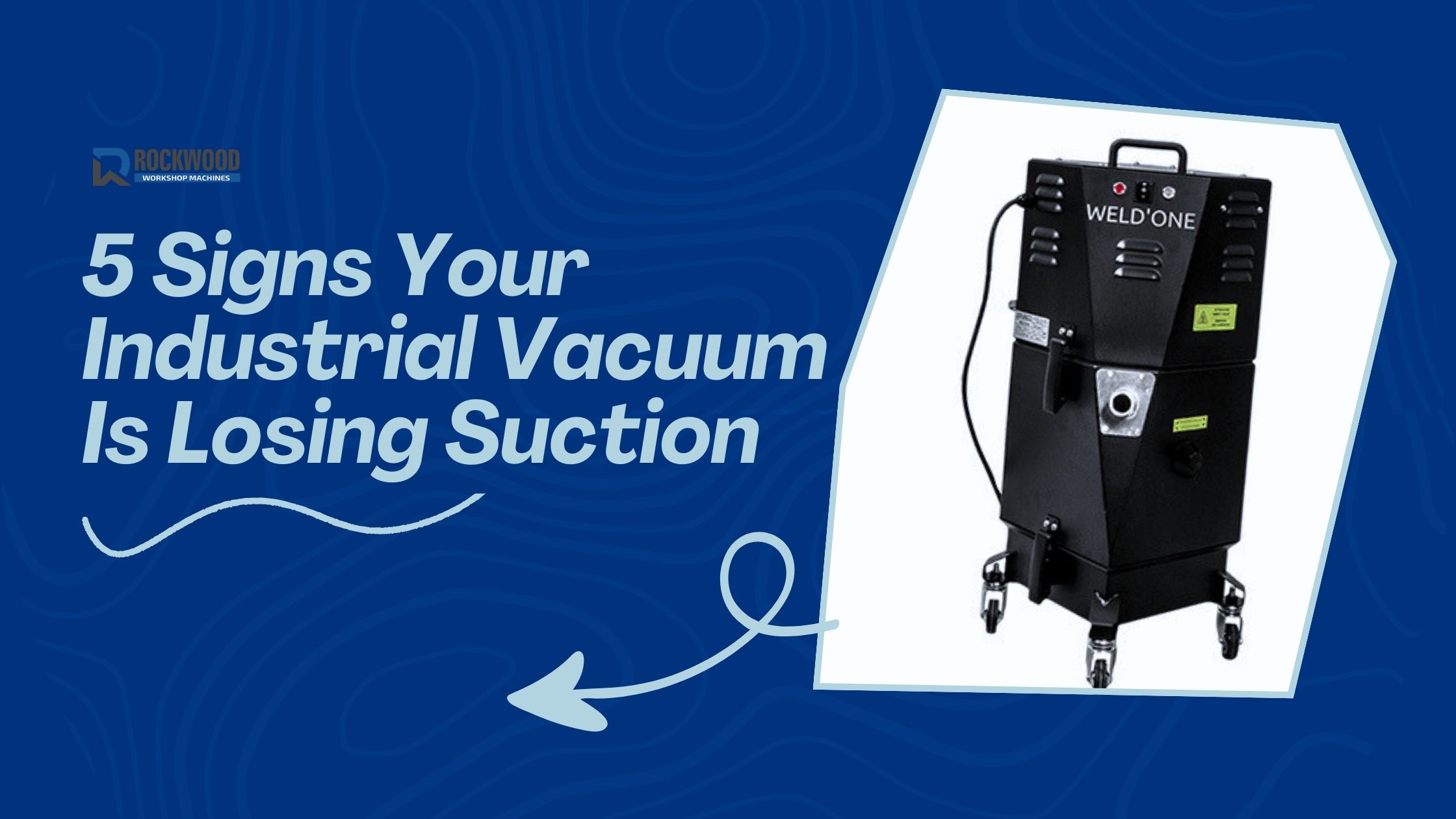
5 Warning Signs Your Industrial Vacuum Is Losing Suction Power
Industrial vacuums are the workhorses of modern manufacturing and workshop environments. Whether you’re managing a busy fabrication shop or overseeing a large production facility, these machines quietly handle the critical task of keeping your workspace clean and safe. They go unnoticed when they’re doing their job right. But once suction falters, it sends problems throughout your entire workflow.
A loss of suction can disrupt your workflow, place unnecessary stress on vacuum motors, and even create safety hazards. The positive side is that most suction problems show up early if you pay attention. Identifying these warning signs in time can help limit operational interruptions and lower repair expenses.
Let’s go over five clear signs that your industrial vacuum is losing suction—and what you can do to fix each one.
1. Weaker Airflow at the Hose
One of the first signs of fading suction is weaker airflow at the end of the hose. You may notice yourself going over the same debris two or three times instead of picking it up in one pass. Materials that were never a problem before suddenly seem difficult to collect.

This weakened performance typically stems from a few common culprits:
- A clogged or partially blocked hose
- An overfilled collection bin
- Filters that are dirty or completely blocked
- Loose connections or damage at hose attachment points
Because these machines deal with large amounts of dust and debris every day, blockages can form before you realise it. We usually suggest beginning with a simple visual inspection of the hose and connections. Often, that’s all it takes to identify the problem. Making these quick checks part of your regular routine keeps suction strong and reduces the strain on your equipment.
2. Strange Noises or Excessive Vibration
When your vacuum starts sounding different, pay attention. Unusual noises like whistling, rattling, grinding sounds, or increased vibration are your machine’s way of telling you something is wrong. These symptoms usually indicate either restricted airflow or mechanical wear somewhere in the system.
The underlying causes might include:
- Debris caught in the impeller
- Worn or failing bearings
- A cracked or unbalanced fan blade
- Air leaks developing around seals or gaskets
Industrial vacuum cleaners in UAE facilities often run for extended shifts, and this continuous operation naturally leads to wear over time. Don’t dismiss these noise changes as minor annoyances. They frequently signal developing mechanical issues that will only become more expensive if you wait to address them.
3. Filters Becoming Dirty Too Quickly
Filters are at the heart of how well a vacuum works. If they start clogging too quickly, you’ll notice suction fall off fast. Having to clean or change them more often than normal usually means airflow isn’t working properly.
Several factors can accelerate filter clogging:
- Collecting very fine dust without adequate pre-separation
- Using filter media that isn’t matched to your specific debris type
- Moisture is infiltrating the filter housing
- Working in extremely dusty conditions without proper maintenance intervals
The quality and suitability of your filters matter tremendously. Many operations benefit from consulting with a workshop equipment supplier in UAE to ensure they’re using filters and accessories properly matched to their working conditions and the materials they’re collecting.
4. The Vacuum Overheats or Shuts Off During Use
Most industrial vacuums include thermal protection systems designed to reduce the risk of motor overheating. If your machine starts shutting down unexpectedly or feels unusually hot during normal operation, the motor is working too hard to maintain proper airflow.
Overheating typically results from:
- Blocked or restricted airflow pathways
- Filters that are too dirty or restrictive
- Cooling fans that are obstructed
- Incorrect voltage supply to the motor
Overheating is a serious warning that requires immediate attention. Ignoring it can lead to serious motor damage and increased repair expenses. Starts by clearing any air passages, verifying that the motor area has adequate ventilation, and inspecting the cooling system. These steps alone often resolve the issue.
5. Dust Escapes From the Exhaust or Collection Area
If you notice dust escaping from the exhaust, around the collection bin lid, or from other openings, it points to both a loss of suction and a containment problem. This usually happens when the vacuum cleaner can no longer maintain the internal pressure needed to properly hold fine particles.

Dust leakage usually points to:
- Gaskets that are worn or damaged
- Filters that aren’t seated correctly
- Cracks or damage in the collection bin itself
- Reduced suction caused by restrictions elsewhere in the system
Beyond the obvious cleanliness issue, dust escaping into your workspace affects air quality and can pose real health risks to your workers. Ensure all seals are intact and that filters are installed properly and securely.
Maintenance Tips to Prevent Suction Loss
The best approach to maintaining strong suction is preventive maintenance. Industrial vacuums that receive consistent care deliver stronger performance and enjoy a longer service life. Below is the maintenance practices that matter most, those are:
- Clean or replace filters according to the manufacturer’s schedule
- Empty collection bins well before they reach full capacity
- Regularly inspect hoses and connectors for cracks, wear, or obstructions
- Check all seals around lids and motor housings for damage
- Schedule periodic professional service with trained technicians
These routine checks take very little time but prevent the majority of serious operational problems. Think of them as insurance against unexpected downtime.
Moving Forward
A drop in suction is a frequent challenge with industrial vacuums, yet it’s relatively easy to manage when caught early. Paying attention to warning signs such as weak airflow, unusual noises, fast-clogging filters, overheating, and dust leaks can help prevent minor issues from turning into major failures. A properly maintained industrial vacuum does more than just clean your facility. It supports consistent productivity and helps create the kind of safe, healthy work environment that your team deserves. If you need replacement parts, service support, or guidance on equipment upgrades, Rockwood Workshop Machines provides reliable solutions backed by knowledgeable support. Whether you’re maintaining existing equipment or evaluating new systems, selecting the right tools and accessories makes all the difference in long-term performance and reliability.
To read more, click here : How to Determine the Right Tonnage for Your Hydraulic Punching Machines in UAE