
How to Determine the Right Tonnage for Your Hydraulic Punching Machines in UAE
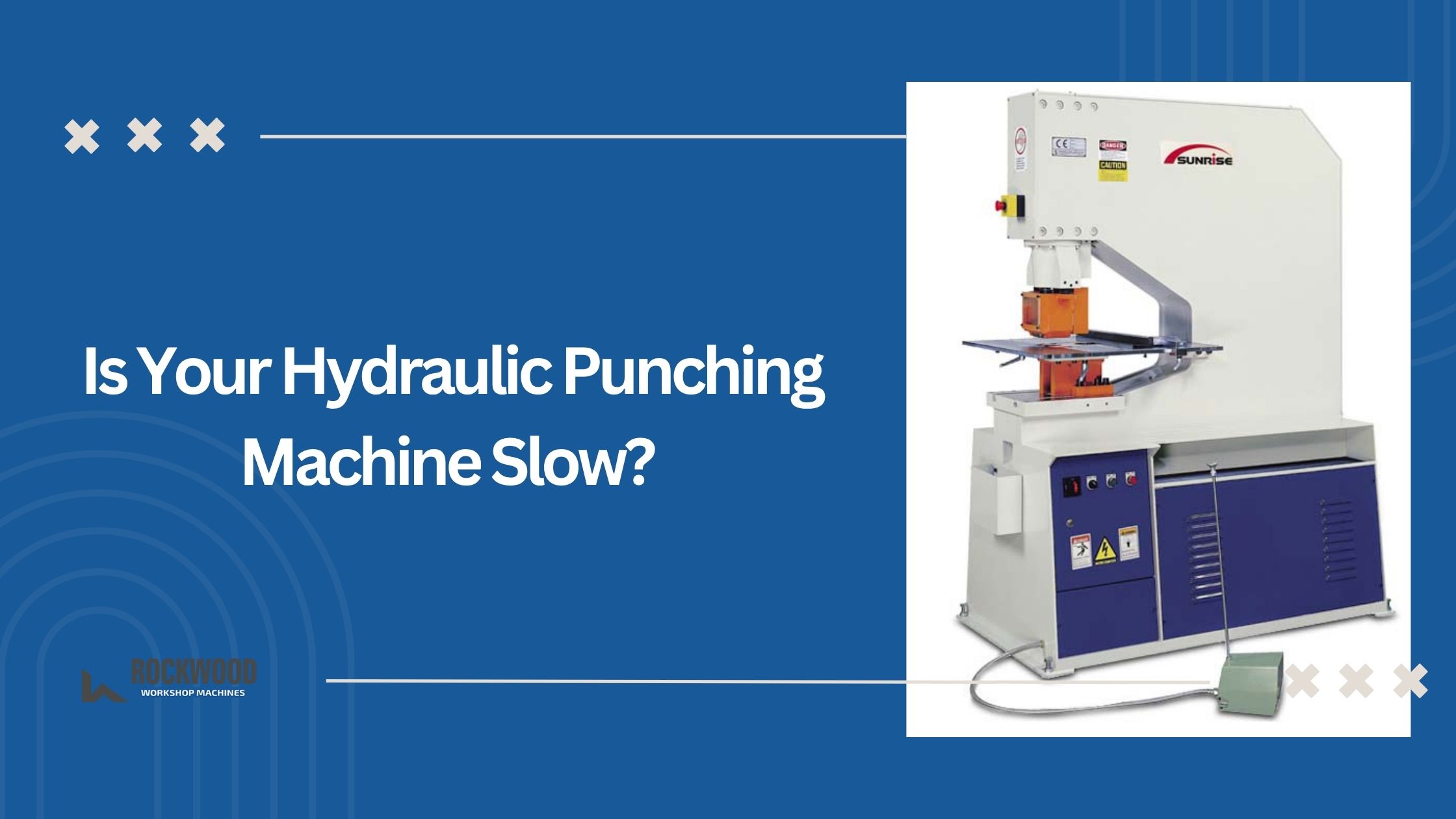
Selecting the right tonnage for your hydraulic punching machine may seem purely technical; however, it significantly contributes to the overall performance of the workshop. The punching force that your machine can generate will dictate how cleanly and effectively you can punch holes through the materials that you are punching—steel plate, angle bar, channel and sheet metal. When the tonnage is right, everything runs smoother—your holes come out cleaner, your tools last longer, and your machine doesn’t struggle to keep up.
The market for hydraulic punching machines in the UAE offers many choices, which makes it essential that you select the right tonnage for your specific needs. Hydraulic punching machines with lower tonnage are restricted to punching materials of lesser thickness. Conversely, hydraulic punching machines with a greater tonnage may incur unnecessary costs. This blog provides an overview of the key factors to keep in mind when choosing a hydraulic punching machine.
Why the Right Tonnage Matters
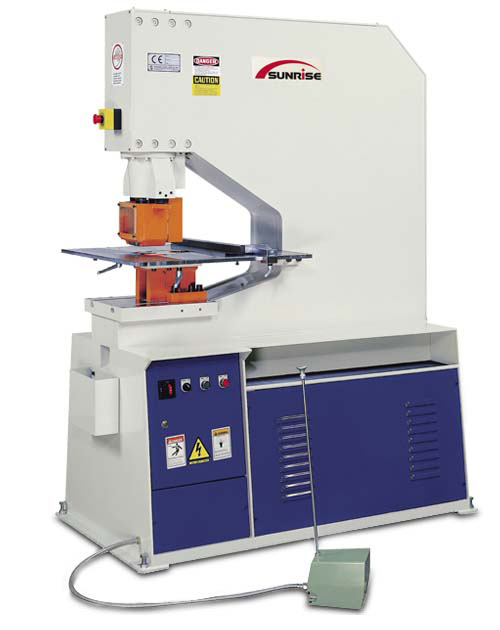
Tonnage essentially refers to how much force the machine applies when punching through material. If the tonnage is enough, the machine can cut cleanly through the metal without putting unnecessary stress on itself or the tooling. When everything is balanced, you get:
- Accurate, clean hole quality
- Longer punch and die life
- Faster and smoother production
- Less strain on the machine
- Reduced chances of downtime
When the tonnage is too low, the machine will struggle, tools may break, and holes may come out rough or misaligned.
Main Factors That Affect Punching Tonnage
Finding the right tonnage isn’t about guesswork. It depends on a few important factors that must be considered consistently.
1. Material Type
Not all materials behave the same when punched. Mild steel can be worked with relatively easily, while stainless steel requires much more force. Aluminium needs less force overall, but it’s more prone to distortion.
Approximate punching resistance:
- Mild Steel: 250–300 MPa
- Stainless Steel: 550–600 MPa
- Aluminum: 150–200 MPa
Take your strongest or most demanding material as the reference point when selecting a machine.
2. Material Thickness
Thickness is one of the biggest contributors to tonnage requirements. Even a slight increase can greatly affect the force required. The thicker the sheet, the more power required.
The general industry formula for estimating tonnage is:
Tonnage = (Hole Perimeter × Material Thickness × Shear Strength) / 2000
While simplified, it gives a reliable idea of what you need.
3. Hole Size and Shape
How a hole is shaped and how big it is also matters. Round holes take less force to punch than rectangular or slotted holes because they have a smaller perimeter. If you plan on punching larger and/or more complex shapes in your shop, you will need a machine capable of exerting an equal amount of force.
4. Punch and Die Clearance
The punch-to-die clearance has a significant impact on cutting performance. If the clearance is too tight, the machine needs more force. If it’s too wide, you may get burrs. Having the right clearance lowers the tonnage needed and extends tool life.
5. Production Volume
For workshops that do a lot of high-volume punching daily, it’s important to select a machine that has a comfortable capacity margin. If you run a machine at full load constantly, this leads to increased wear and tear and will, therefore, decrease the overall lifespan of the press machine.
Why You Should Include a Safety Margin
Once you’ve calculated the approximate tonnage, it’s smart to add an extra 10–25% as a safety factor. This helps account for real-world variations, like thicker-than-usual material, tool wear, or inconsistencies in metal hardness.
For example:
If the calculation shows you need 40 tons, it’s better to choose a 50-ton machine. This ensures smooth and reliable operation without pushing the machine to its limits.
Example Calculation
Let’s look at a simple example to make things clearer.
You want to punch a 20 mm round hole into an 8 mm thick mild steel plate.
- Perimeter of the hole = π × 20 ≈ 62.8 mm
- Material thickness = 8 mm
- Shear strength ≈ 300 MPa
Tonnage = (62.8 × 8 × 300) / 2000
Tonnage ≈ 75 tons
Add a 20% safety margin → around 90 tons needed.
This example shows how quickly tonnage requirements climb with thicker material and larger holes.
Benefits of Selecting the Right Punching Machine
When you choose a machine with the correct tonnage, everything in your workshop becomes more efficient. Here’s what you gain:
- Cleaner cuts with minimal finishing
- Better tool life and fewer replacements
- Reduced machine strain and maintenance costs
- Faster job completion
- Overall better quality and consistency
These benefits translate to smoother workflow and higher profitability.
Why Working With the Right Supplier Helps
Choosing the right machine is easier when you have guidance from an experienced Workshop Equipment Supplier in UAE. A knowledgeable supplier can help you calculate tonnage requirements, compare machine models, and choose a setup that fits your daily production needs.
Companies like Rockwood Workshop Machines support fabrication shops with practical advice and reliable machinery, helping you invest with confidence.
Final Thoughts
Establishing the appropriate tonnage of your punching machine is one of the best means of guaranteeing a smooth production operation and a machine that will be reliable for an extended time. Knowing the type of material, thickness, shape of hole, and actual use allows you to make an informed decision on the right tonnage for your workshop; therefore, helping your workshop hold its value for many years.
The UAE has an extensive supply of hydraulic punching machines that are powerful, efficient, and suitable for all types of applications, therefore giving fabricators access to very reliable equipment for all types of jobs. With the help of an experienced and knowledgeable supplier, selecting the appropriate punching machine will be an easy task, which will result in increased productivity levels and deliver consistently high-quality results.
To read more blogs, click here: Optimizing Small-Batch Production: When a Bench Drilling Machine Makes Sense