Dealing with Clogs in Industrial Vacuum Systems: Prevention and Solutions
Industrial Vacuum Systems are used to achieve cleanliness, safety, and productivity in manufacturing, workshops, warehousing, and process facilities. A vacuum system handles a wide range of materials, from fine particles and metal shavings to liquid waste and large debris. Among the primary challenges operators face is clogging. When airflow is obstructed, suction performance declines, operational efficiency decreases, and downtime rises.
Knowing the root causes of blockages, implementing preventive measures, and addressing issues promptly can greatly prolong equipment lifespan and ensure uninterrupted operations.
Why Do Industrial Vacuum Systems Get Clogged?
Clogs develop when debris accumulates inside hoses, filters, separators, or collection containers faster than the system can process it. Many factors contribute to this problem:
1. Material Incompatibility
Some materials, like sticky residues, elongated fibers, and fine particles, naturally stick together. When combined, they can create compact obstructions that limit airflow.
2. Overfilled Containers
Allowing dust bins or collection bags to exceed capacity causes debris to back up into the hose and filtration system.
3. Clogged or Damaged Filters
Clogged or damaged filters reduce airflow and allow particles to collect in sensitive areas, leading to repeated blockages.
4. Incorrect Hose Configuration
Using hoses that are too narrow, excessively long, or sharply bent increases resistance and promotes buildup.
5. Lack of Routine Maintenance
When inspections are skipped, minor obstructions gradually become major performance issues.
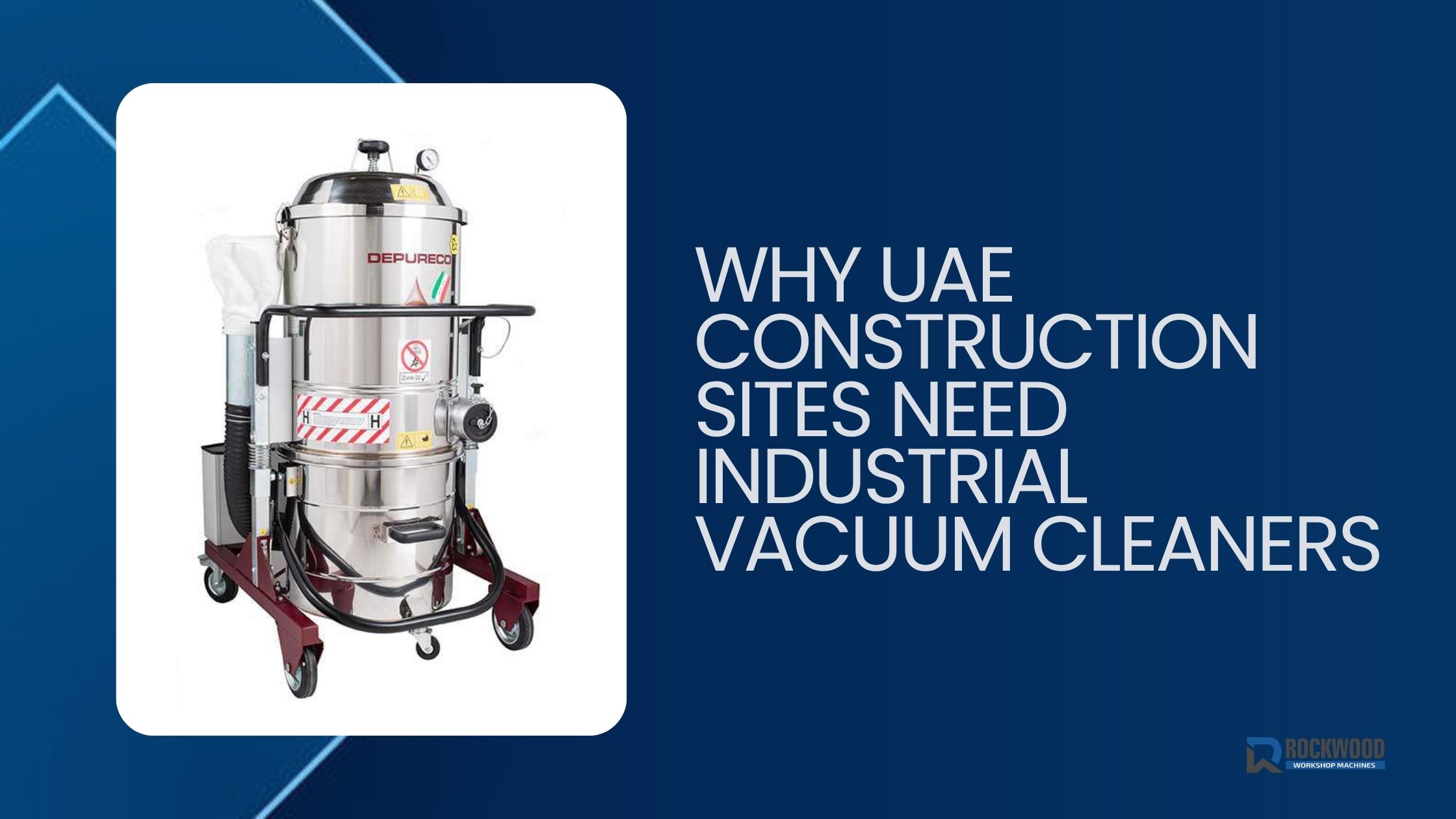
Facilities that rely on industrial vacuum cleaners in UAE often operate in environments with heavy dust or debris loads, making clog management a critical part of daily operations.
Preventive Measures to Minimize Clogging
Prevention saves both time and money. Implementing the following best practices can drastically reduce the risk of blockages.
1. Select the Right Equipment
Every application has unique requirements for airflow performance, filtration quality, and waste handling capability. Selecting machinery that matches your materials and workflow ensures smooth and reliable operation. Expert guidance ensures the system is correctly sized and properly set up.
2. Install Pre-Separators
Pre-separators or cyclonic units capture heavy debris before it reaches the main vacuum unit. This protects filters and prevents hose congestion, especially in high-volume environments.
3. Maintain Filter Health
Filters must be maintained or replaced in line with the manufacturer’s guidelines. Self-cleaning filtration systems are well suited for continuous operations with consistently high dust concentrations.
4. Monitor Fill Levels
Empty collection containers regularly to prevent backflow and internal blockages.
5. Train Operators
Operators should know which materials are safe to vacuum and recognize early signs like reduced suction or abnormal noise.
Recognizing Early Warning Signs
Early detection prevents damage and costly downtime. Watch for these indicators:
- Decreased suction performance
- Unusual motor noise or vibration
- Overheating or frequent shutdowns
- Dust escaping into the workspace
- Slow debris movement through hoses
Addressing these symptoms immediately prevents more serious mechanical issues.
Effective Solutions for Clearing Clogs
If a blockage occurs, follow a safe and systematic approach.
1. Shut Down the System
Always power off and unplug the unit before inspection or disassembly.
2. Inspect Hoses and Attachments
Remove hoses and check for visible obstructions. Flexible rods, gentle tapping, or compressed air can help dislodge packed debris.
3. Clean or Replace Filters
Wash or replace clogged filters to restore airflow and prevent recurrence.
4. Empty and Clean Collection Bins
Remove accumulated debris and check for moisture or residue that could cause future buildup.
5. Inspect Internal Pathways
If external components are free of obstruction, examine internal parts in accordance with manufacturer guidelines or consult a qualified technician.
Companies using industrial vacuum cleaners in UAE benefit from easy access to spare parts and technical support, which helps reduce operational delays.
Long-Term Strategies for Reliable Performance
Sustainable performance requires more than reactive cleaning.
Scheduled Preventive Maintenance
Develop a routine inspection schedule covering hoses, filters, motors, and seals.
Upgrade Aging Equipment
Older machines may lack modern filtration efficiency and clog-resistant designs. Newer industrial vacuum systems provide improved airflow and durability.
Partner with Trusted Suppliers
A trusted workshop equipment supplier can provide technical expertise, maintenance support, and dependable access to genuine replacement parts.
Control the Work Environment
Managing humidity, airborne dust, and debris flow reduces system strain and improves air quality.
Business Benefits of Proactive Clog Management
Consistent maintenance and proper usage deliver tangible advantages:
- Longer equipment lifespan
- Lower maintenance costs
- Improved worker safety and cleanliness
- Reduced downtime and higher productivity
- Stable airflow performance
These benefits translate directly into operational efficiency and long-term savings.
Conclusion
Clogs in industrial vacuum systems are unavoidable but manageable. By selecting the right equipment, maintaining filters and hoses, training operators, and responding quickly to early warning signs, businesses can minimize disruptions and extend equipment life. Strategic maintenance and professional support ensure consistent performance and reliable cleaning results.
Adopting a proactive approach protects your investment and fosters a safer, cleaner, and more productive workspace.
To read more, click here: Understanding Stroke Length and Its Impact on Punching Performance