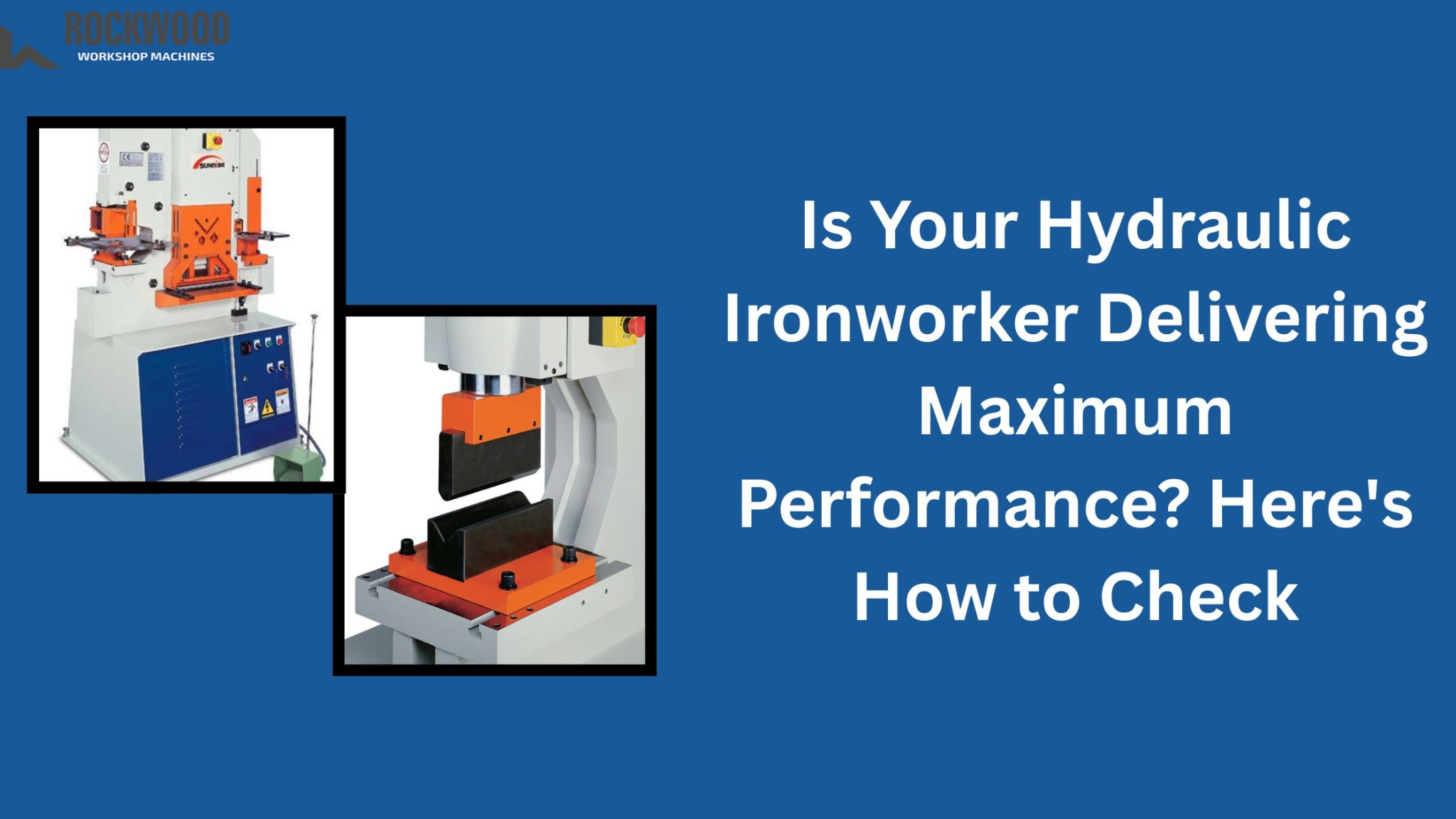
Is Your Hydraulic Ironworker Delivering Maximum Performance? Here’s How to Check
A hydraulic ironworker is one of the hardest-working machines in a fabrication shop. It punches, shears, notches, and cuts metal with speed and accuracy, helping businesses complete projects on time. Yet many workshops continue using the same machine for years without checking if it is operating at its full potential.
Small performance issues often go unnoticed. Slower cycle times, rough cuts, excessive noise, or increased scrap can gradually affect productivity and profitability. Regular performance checks help identify these problems before they lead to costly downtime or expensive repairs.
If you rely on a Hydraulic Ironworker in UAE for daily fabrication work, here are the key areas to examine.
Start with the Quality of the Finished Work
The easiest way to evaluate machine performance is by looking at the finished material.
Inspect recently punched holes, sheared edges, and notched sections. Clean and consistent results usually indicate that the machine is operating correctly. If you notice burrs, uneven edges, distortion, or inconsistent hole sizes, action may be required.
Common causes include:
- Worn punches and dies
- Improper blade alignment
- Excessive clearance settings
- Lack of maintenance
Poor-quality output often appears before major mechanical issues become obvious.
Monitor Cycle Speed and Production Output
Many operators become accustomed to gradual changes in machine speed. A hydraulic ironworker that once completed jobs quickly may slowly lose efficiency over time.
Compare current production rates with previous records if available.
Look for signs such as:
- Slower punching cycles
- Delayed hydraulic response
- Longer setup times
- Reduced daily output
Even small reductions in operating speed can have a noticeable impact on overall production capacity. If jobs are taking longer than usual or production targets are becoming harder to achieve, it may be time to inspect the machine and identify the cause.
A noticeable drop in output usually signals a problem that deserves investigation.
Check the Hydraulic System Carefully
The hydraulic system is the heart of any ironworker machine. Reduced hydraulic performance affects every operation.
Inspect the machine for:
- Oil leaks around hoses and fittings
- Low hydraulic fluid levels
- Dirty or contaminated oil
- Unusual pressure fluctuations
Hydraulic oil should remain clean and within the manufacturer’s recommended specifications. Contaminated fluid can damage pumps, valves, and seals, leading to expensive repairs.
Many maintenance experts recommend regular oil analysis and filter replacement to maintain consistent machine performance.
Examine Punches, Dies, and Blades
Tooling condition has a direct impact on productivity.
Dull blades require more force during cutting operations. Worn punches may create oversized or irregular holes. Damaged tooling can also place additional stress on hydraulic components.
Check for:
- Chipped cutting edges
- Excessive wear patterns
- Surface cracks
- Improper alignment
Replacing worn tooling at the right time often costs far less than repairing damaged machine components caused by continued use.
Listen for Changes in Machine Operation
Experienced operators often identify problems through sound before they become visible.
Pay attention to:
- Unusual vibration
- Knocking sounds
- Hydraulic whining
- Sudden changes in operating noise
Machines generally communicate issues early. Ignoring these warning signs can allow minor problems to develop into major breakdowns.
A machine that sounds different than usual deserves inspection.
Verify Accuracy and Repeatability
Fabrication projects depend on consistent results.
Run several identical operations and compare measurements. Hole placement, material dimensions, and cut quality should remain consistent throughout production.
If accuracy varies between parts, investigate:
- Tool alignment
- Material positioning systems
- Hydraulic pressure consistency
- Wear in moving components
Even small variations can create fitting problems during assembly and increase material waste.
Review Maintenance Records
Maintenance records often reveal performance trends that are easy to miss during daily operations.
Check:
- Service intervals
- Hydraulic oil changes
- Filter replacements
- Tooling replacements
- Previous repair history
A machine that frequently requires emergency repairs may need a more comprehensive maintenance strategy.
Shops with structured maintenance schedules generally experience fewer unexpected production interruptions.
Evaluate Operator Practices
Machine performance is influenced by the way it is used.
Incorrect material loading, excessive force, poor setup procedures, and skipped inspections can reduce efficiency.
Regular operator training helps ensure:
- Proper machine setup
- Safe operation
- Accurate measurements
- Early detection of potential issues
Even a high-quality hydraulic ironworker cannot deliver consistent results if operating procedures are ignored.
Know When an Upgrade Makes Sense
Sometimes the machine is functioning correctly, but no longer matches production requirements.
If your workshop handles larger volumes, thicker materials, or more complex fabrication work than before, an older machine may struggle to keep pace.
Signs that an upgrade may be worth considering include:
- Frequent capacity limitations
- Increasing maintenance costs
- Long production bottlenecks
- Difficulty meeting project deadlines
Modern hydraulic ironworkers now feature better controls, increased efficiency, and enhanced safety features that facilitate faster production.
Final Thoughts
A hydraulic ironworker should deliver reliable performance every day, not just when it is newly installed. Regular inspections, proper maintenance, tooling checks, and operator awareness contribute to machine productivity.
Workshops across the UAE depend on efficient fabrication equipment to meet project deadlines and maintain quality standards. Taking the time to assess your machine’s condition can reveal hidden issues before they affect production.
Investing in a reliable Hydraulic Ironworker in the UAE can significantly enhance fabrication efficiency for businesses. Rockwood Workshop supplies hydraulic ironworkers designed to support punching, shearing, notching, and cutting operations with consistent accuracy and long-term reliability. With proper maintenance and regular performance checks, the right machine can help fabrication shops maintain quality, reduce downtime, and keep projects on schedule.
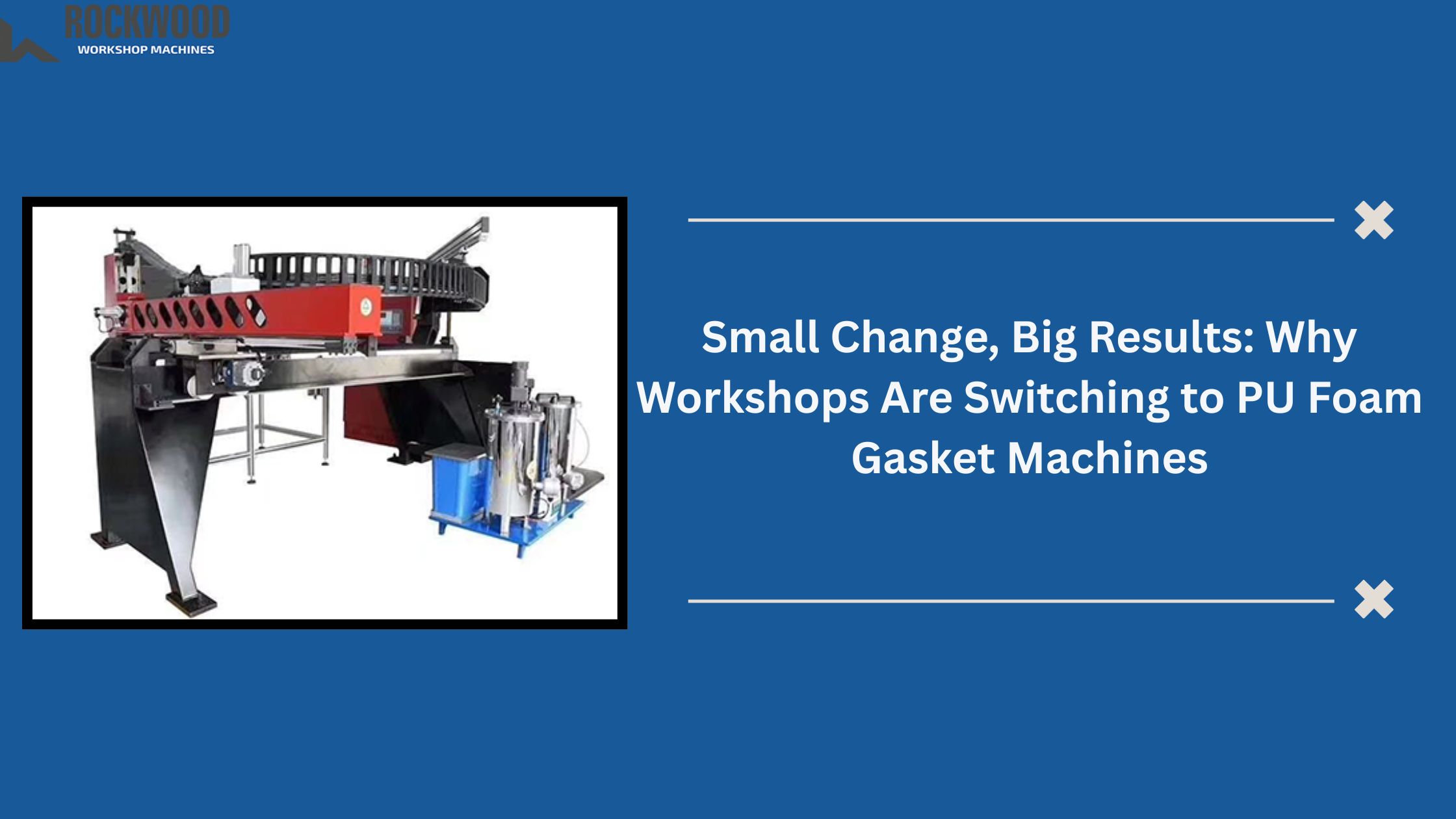
To learn more, click: Small Change, Big Results: Why Workshops Are Switching to PU Foam Gasket Machines