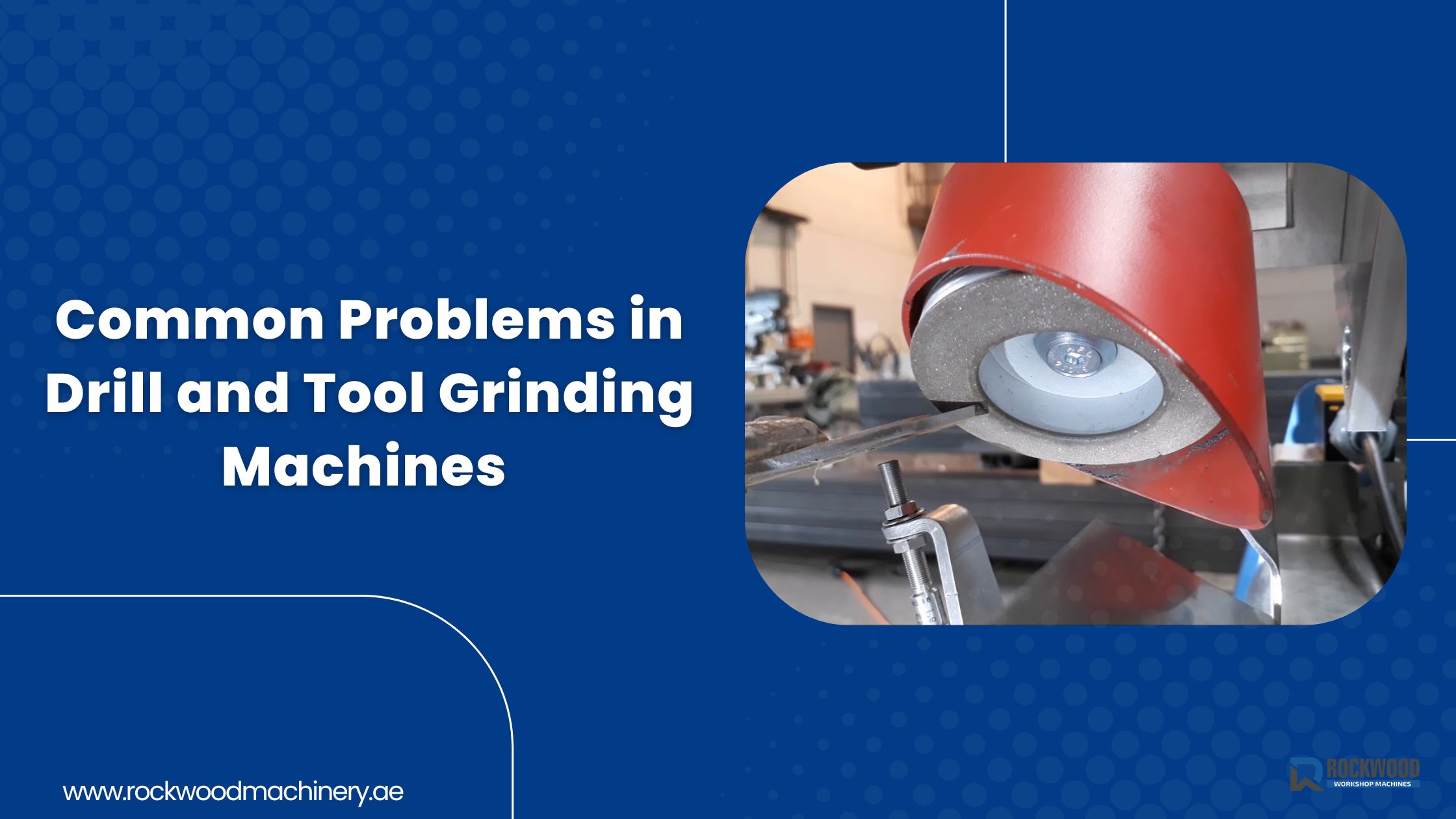
Common Problems in Drill and Tool Grinding Machines and How to Fix Them
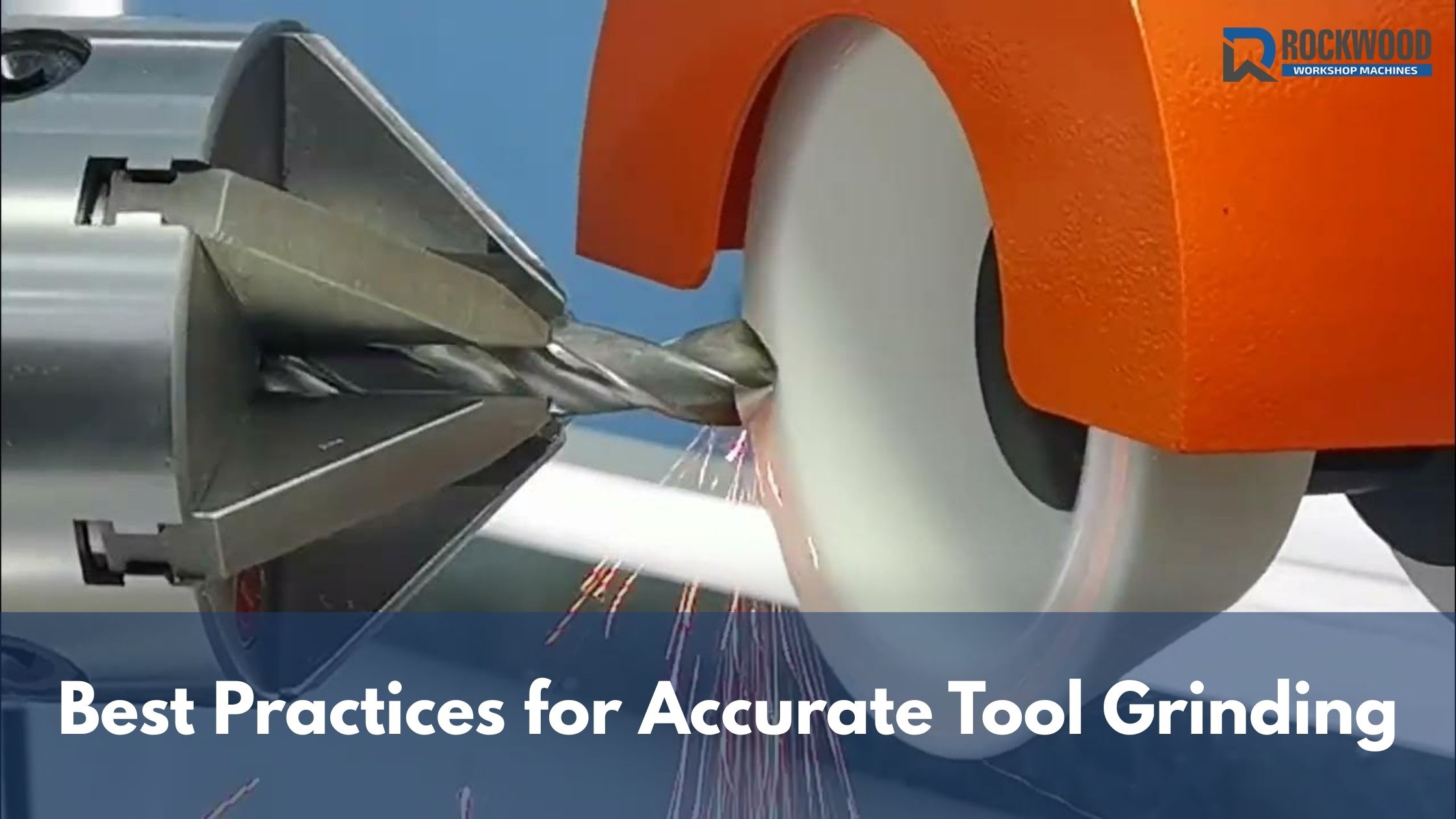
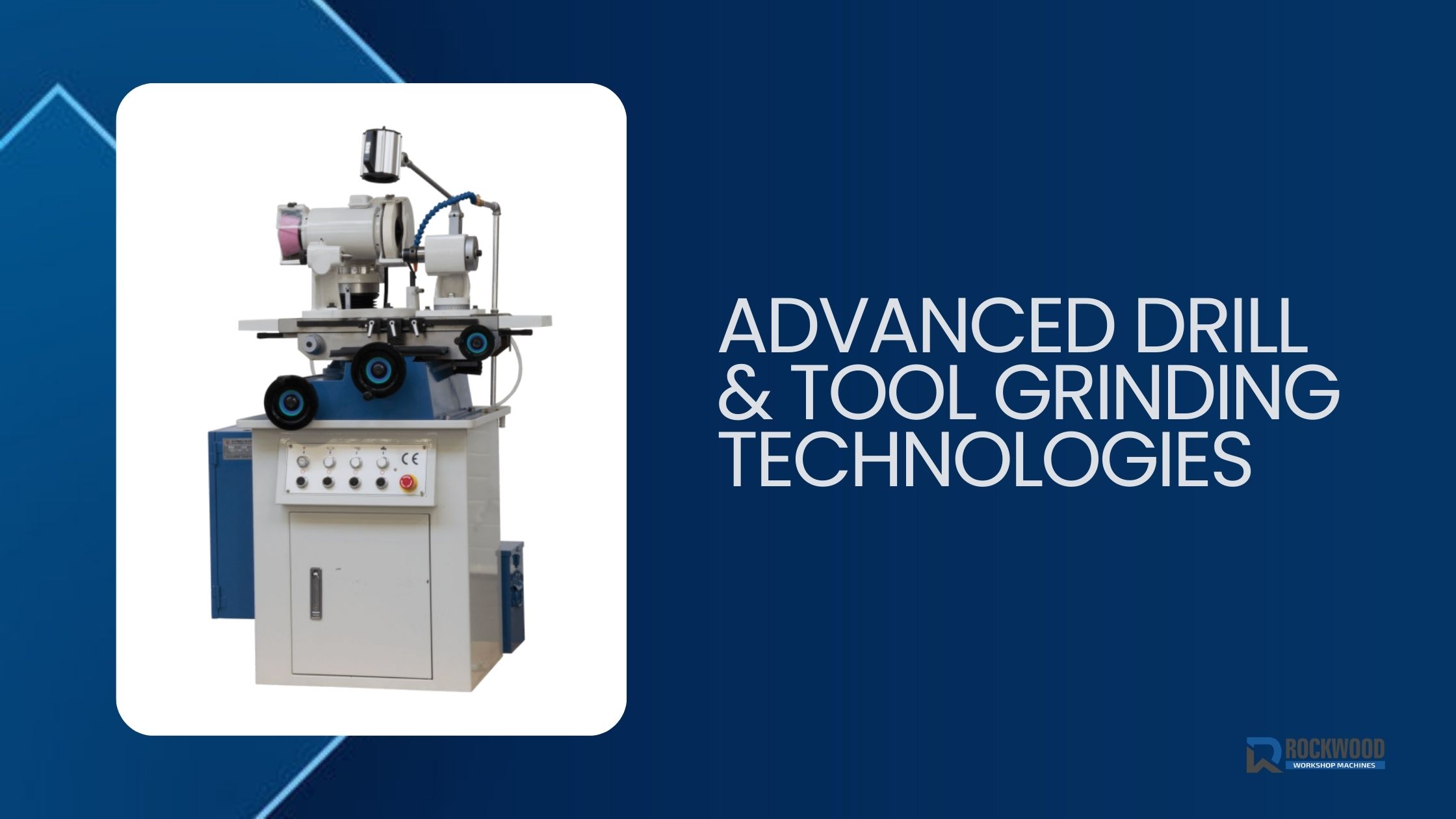
Drill and tool grinding machines play a key role in engineering and manufacturing facilities. They are used to sharpen and restore cutting tools like drills, reamers, milling cutters, and other precision instruments. When these tools are properly maintained, they perform better, last longer, and produce accurate results.
Industrial grinding machines are designed for durability, but they can still experience problems after extended use. Vibration, excessive heat, inaccurate angles, and poor surface finishing are some issues that may affect performance and tool quality. Understanding these concerns and addressing them promptly allows workshops to reduce downtime and work more efficiently.
This guide explains the most common problems found in drill and tool grinding machines in UAE workshops and provides practical solutions to keep them running efficiently.
Poor Surface Finish on Tools
A rough or uneven surface on a ground tool is one of the most common problems operators face. When a tool does not have a smooth finish, it can perform poorly during cutting operations and wear out faster.
The problem commonly appears when the grinding wheel becomes less effective after continuous use. Incorrect speed settings or an improper feed rate can also lead to this issue. Additionally, if the tool is not held tightly in place, it may affect the grinding result.
This problem can be resolved by dressing the grinding wheel often so it stays sharp. Machine speed must also be adjusted depending on the material being processed. Making sure the tool is firmly fixed and correctly aligned will improve the final surface quality.
Machine Vibrations During Grinding
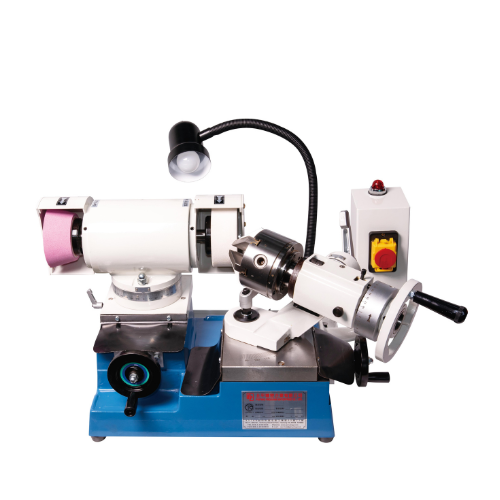
When a grinding machine vibrates too much, it can create chatter marks on the tool surface and lower accuracy. This kind of vibration can also negatively affect the tool as well as the grinding wheel.
Vibration often occurs when the grinding wheel is not properly balanced. It can also result from loose machine parts or damaged bearings. In some situations, the tool may not be fixed tightly, which allows movement while grinding.
To fix this problem, the grinding wheel should be balanced and inspected before use. All bolts and fittings on the machine should be tightened, and worn bearings should be replaced if necessary. Properly securing the tool will also help control vibration and produce more precise grinding results.
Tool Overheating
Some heat is expected during grinding, but too much of it can damage the cutting tools. Overheating may cause the tools to lose strength, show discoloration, or develop cracks, which affects both their durability and efficiency.
Overheating often occurs when too much pressure is applied during grinding. The problem may also arise from poor coolant delivery or using the wrong grinding wheel for the specific material.
The best solution is to apply gentle and steady pressure while grinding. Operators should also ensure that the coolant system is working properly and delivering enough fluid to the grinding area. Choosing the correct grinding wheel for each material will also help control heat.
Grinding Wheel Loading
Grinding wheel loading happens when metal particles and debris stick to the wheel surface. When this occurs, the wheel loses its cutting ability and starts rubbing instead of grinding.
This problem usually appears when grinding soft materials or when the wheel has not been dressed for a long time. Using the wrong grit size can also contribute to loading.
Regular wheel dressing is the most effective solution. This clears away built-up material and allows new abrasive particles to become active. In addition, selecting the correct wheel type and grit size for the job will help prevent this problem.
Incorrect Tool Angles
For proper performance, precision tools must be sharpened at the correct angles. When the cutting edge angle is not accurate, the tool may lose cutting efficiency or become damaged during use.
Improper machine setup or alignment issues often lead to this problem. In addition, worn-out fixtures or guide components may result in incorrect grinding angles.
To avoid this problem, operators should carefully review the machine setup before starting the grinding process. Regular calibration helps maintain accuracy. Replacing worn fixtures or guide parts will also ensure the tool keeps the correct shape.
Coolant System Problems
The coolant system is vital to achieving accurate and consistent results during grinding processes. It reduces heat, lubricates the grinding process, and helps remove metal particles.
If the coolant system fails, tools can overheat, leading to slower and less effective grinding. Blocked coolant lines, dirty coolant fluid, or pump problems are common causes.
Cleaning the coolant lines and nozzles regularly will ensure proper flow. The coolant fluid should also be replaced or filtered when it becomes contaminated. Routine maintenance of the pump and system components will keep the coolant working effectively.
Motor or Electrical Issues
Electrical or motor problems can stop grinding machines from operating completely. Motors may overheat or fail due to heavy workloads or poor maintenance.
Loose electrical connections and worn motor parts can also cause interruptions in machine performance.
Preventive checks on electrical wiring and motor components can help stop these issues before they become serious. Machines should not be overloaded and must be used within their recommended range. If the motor shows overheating or abnormal sounds, maintenance should be carried out immediately.
Excessive Noise During Operation
Grinding machines normally produce some noise, but unusually loud sounds often indicate a problem. Excessive noise may come from worn bearings, loose components, or misaligned parts.
Neglecting these warning signs could lead to critical mechanical issues.
To prevent operational issues, operators must conduct a thorough inspection of the machine, tightening any loose parts and checking for signs of wear. Bearings and all moving components should be consistently lubricated to ensure optimal performance and extend equipment life. Replacing worn parts will reduce noise and improve overall machine performance.
Importance of Preventive Maintenance
Many grinding machine problems are preventable through regular maintenance. Conducting regular inspections helps spot minor faults before they turn into significant equipment failures.
Simple daily checks such as inspecting the grinding wheel, cleaning the machine, and checking coolant levels can make a big difference. Weekly and monthly maintenance should include lubrication, alignment checks, and regularly inspecting the electrical systems.
Working with a trusted Workshop Equipment supplier in UAE can also help workshops access high-quality machines, spare parts, and technical support when needed. Reliable equipment and proper maintenance practices ensure consistent grinding performance.
Conclusion
In workshops and manufacturing facilities, grinding machines are vital for keeping cutting tools in good condition. Still, problems such as vibration, excessive heat, wheel loading, and inaccurate angles can reduce their efficiency.
By identifying the causes of these problems and applying the appropriate solutions, workshops can increase productivity and extend the lifespan of their equipment. Routine maintenance, proper machine setup, and well-trained operators are important for preventing many of these issues.
Businesses that use Drill And Tool Grinding Machines in UAE should pay attention to both machine quality and regular maintenance. With proper care and the right practices, these machines can provide accurate and dependable results for many years.
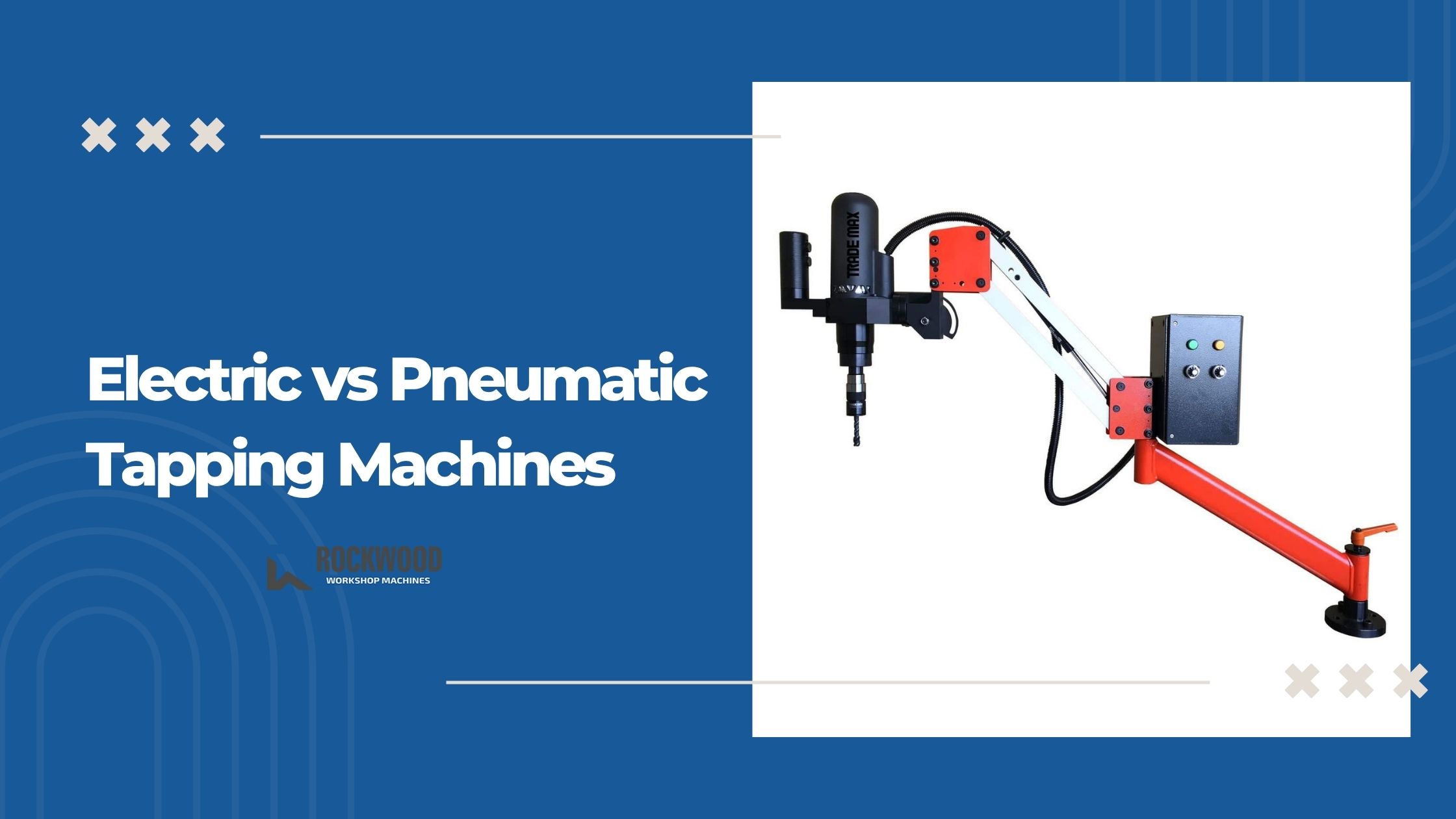
To read more blogs, click here: Electric vs Pneumatic Portable Tapping Machines: Pros and Cons