Hydraulic Ironworker vs Mechanical Ironworker: Key Differences Explained
Ironworker machines play an important role in fabrication workshops, construction sites, and the structural steel industry. These machines are valued for handling multiple tasks like notching, punching, and shearing—all from a single compact unit. When buying an ironworker, one common decision is whether to choose a hydraulic or mechanical model.
While both machines do similar jobs, their performance, safety features, and long-term benefits can be quite different. Understanding these differences helps workshop owners and fabricators make better decisions, especially when sourcing equipment for demanding industrial work in the UAE.
Understanding Ironworker Machines
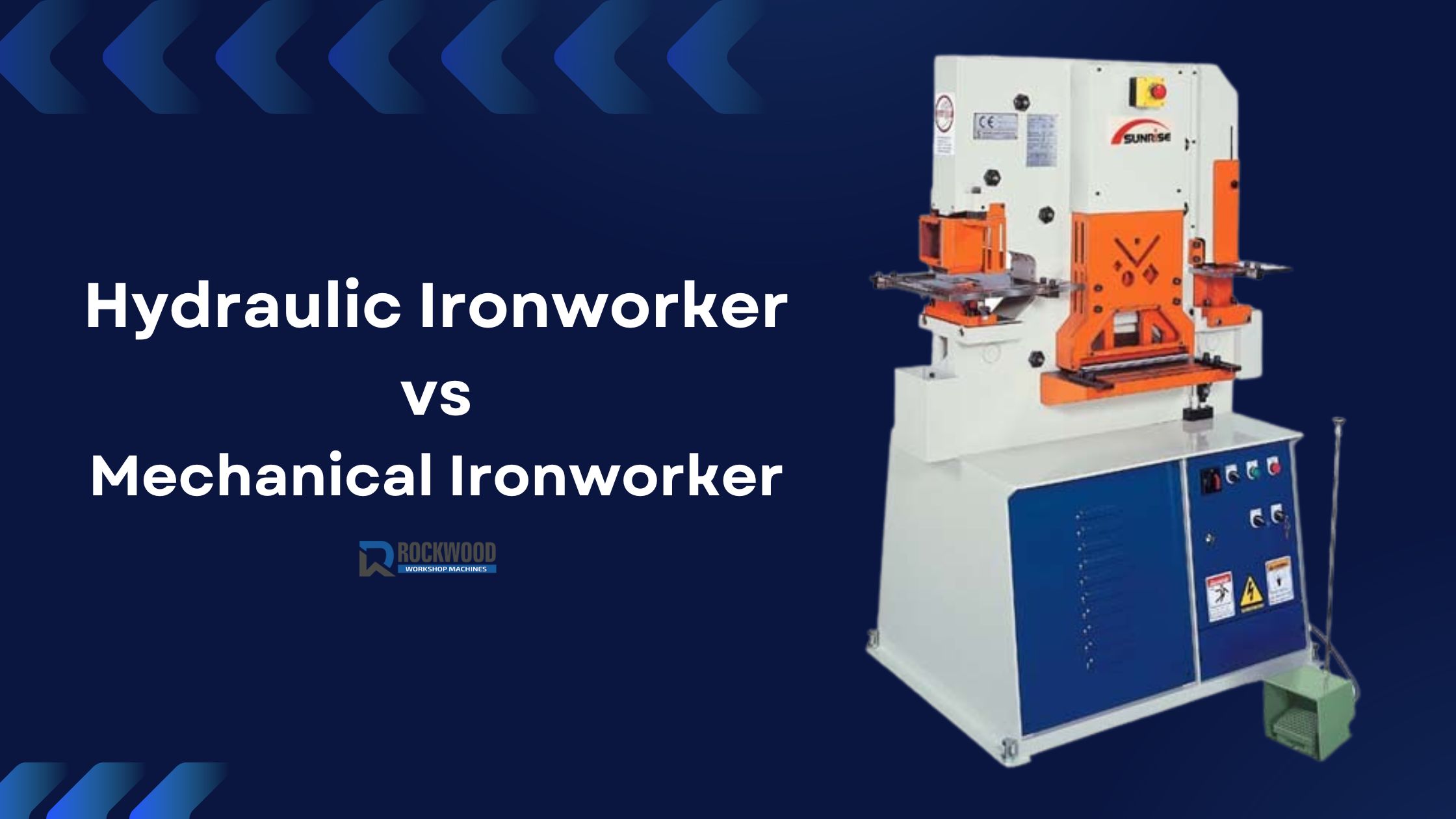
An ironworker machine is a multi-functional piece of equipment designed to efficiently manage various metalworking processes. Common tasks include cutting flat bars, punching holes in steel plates, shearing angle sections, and notching materials for fabrication projects. These machines are popular in fabrication workshops because they save space and boost productivity. Instead of operating multiple machines for different tasks, one ironworker can handle them all.
Mechanical Ironworkers: The Traditional Option
Mechanical ironworkers work using a flywheel and crankshaft system powered by an electric motor. Energy builds up in the rotating flywheel and releases when the clutch engages, delivering force to cut or punch metal.
Mechanical ironworkers had widespread use in the past, but they are now largely classified as older technology in the industry.
Key Features of Mechanical Ironworkers
- Fixed stroke and force output
- High operating speed
- Continuous mechanical motion
- Limited ability to adjust pressure
Due to restricted force adjustment, mechanical ironworkers are less efficient when processing materials with differing thicknesses or properties.
Hydraulic Ironworkers: The Modern Choice
A hydraulic ironworker generates force through hydraulic cylinders driven by pressurized fluid. This system allows operators to precisely control pressure and stroke length, resulting in improved safety and greater operational flexibility.
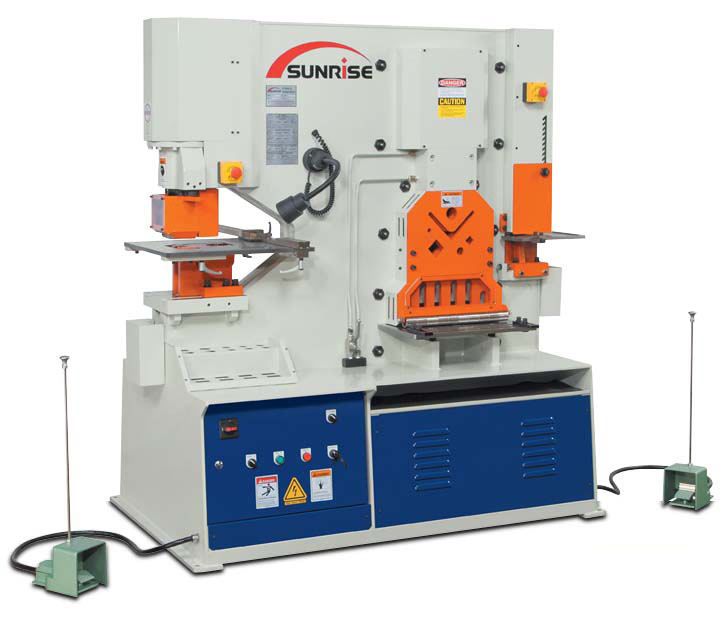
Across the fabrication sector, hydraulic ironworkers are widely chosen for their durability, operational simplicity, and compliance with modern safety expectations.
Key Features of Hydraulic Ironworkers
- Smooth and controlled force delivery
- Adjustable pressure for different materials
- Better stopping control and overload protection
- Quieter operation
For workshops handling different types of fabrication work, a hydraulic ironworker provides much more flexibility and control.
Key Differences Between Hydraulic and Mechanical Ironworkers
How They Work
The biggest difference is how each machine creates and controls force. Mechanical ironworkers depend on stored mechanical energy released in a fixed motion. Hydraulic ironworkers apply force gradually and precisely using fluid pressure.
This control makes hydraulic machines better for modern fabrication work where accuracy and consistency matter.
Safety Features
Safety is critical in any fabrication environment. Mechanical ironworkers have continuous motion and can’t stop quickly, which increases the risk of accidents and operator injuries.
Hydraulic ironworkers can stop instantly and come with built-in overload protection. This makes them safer for operators and helps workshops meet safety regulations—an important consideration for industrial facilities across the UAE.
Flexibility in Daily Use
Mechanical ironworkers deliver the same amount of force no matter what material you’re working with. This can damage tools or ruin thinner materials.
Hydraulic ironworkers let operators adjust pressure based on the job at hand. This flexibility is especially useful in workshops that work with everything from light plates to heavy structural steel.
Maintenance Requirements
Mechanical systems have many moving parts like clutches, flywheels, and bearings. All these components need regular maintenance and eventually wear out.
Hydraulic ironworkers have fewer mechanical parts, which means less wear and simpler maintenance. Many workshop owners prefer hydraulic machines because they have extended service life and minimal interruptions. At Rockwood Workshop Machines, we’ve seen how this results in our customers enjoying increased efficiency.
Energy Use and Noise
Mechanical ironworkers typically run continuously, even when not actively working. This leads to higher energy bills.
Hydraulic ironworkers only use power when performing an operation. They also run much quieter, which improves the work environment and reduces operator fatigue over long shifts.
Choosing the Right Ironworker for Your Workshop
For modern fabrication facilities in the UAE, hydraulic ironworkers are usually the better investment. They meet current safety standards, operate more efficiently, and adapt easily to different types of work.
Businesses looking for ironworker machines in the UAE often choose hydraulic models because they handle the demands of construction, infrastructure, and industrial fabrication projects common in the region.
Rockwood Workshop Machines has assisted many fabrication businesses throughout the UAE in finding the right machinery for their operational needs. We understand that the decision between hydraulic and mechanical ironworkers goes beyond initial cost and must account for durability and long-term efficiency.
How the Right Supplier Drives Better Results
Choosing the right machine marks the start of a successful process. Working with an experienced workshop equipment supplier ensures you get proper installation support, operator training, genuine spare parts, and reliable after-sales service.
This support is crucial for getting the most from your machine and ensuring it runs smoothly for years to come. At Rockwood Workshop Machines, we stand behind our equipment with comprehensive support services designed to keep your operations running efficiently.
Final Thoughts
Both hydraulic and mechanical ironworkers can handle essential metalworking tasks, but the differences in safety, flexibility, maintenance, and efficiency are clear. Hydraulic ironworkers have become the standard choice for modern workshops because of their controlled operation and better long-term value.
For fabrication businesses planning to upgrade or expand their equipment, choosing a hydraulic ironworker from a trusted workshop equipment supplier like Rockwood Workshop Machines is a smart and practical decision that will serve your business well into the future.
To read more blogs, click here: How Wear and Tear Impacts CNC Roller Machine Performance