Common Causes of Hydraulic Fluid Leaks in Ironworkers and How to Fix Them
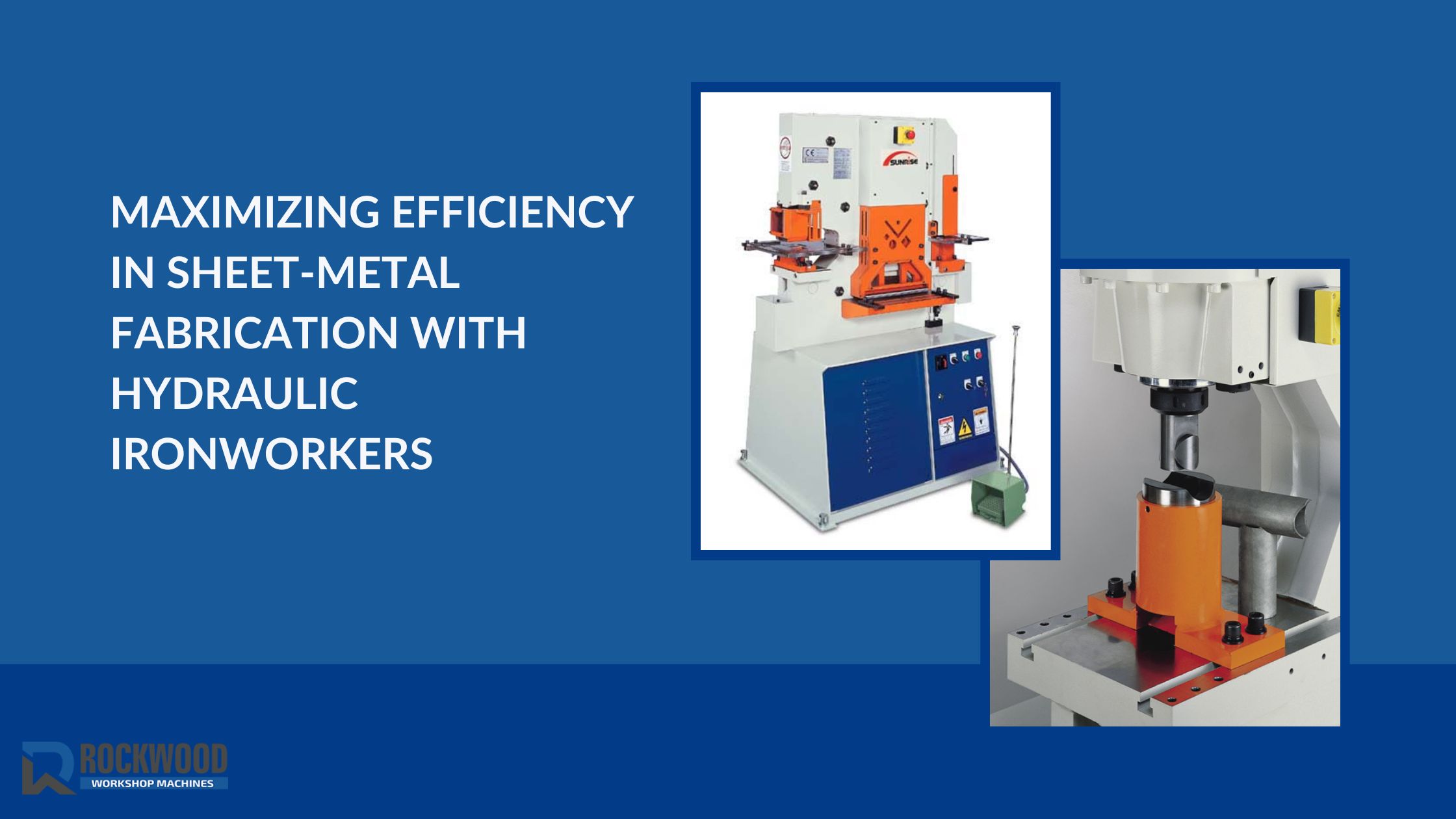
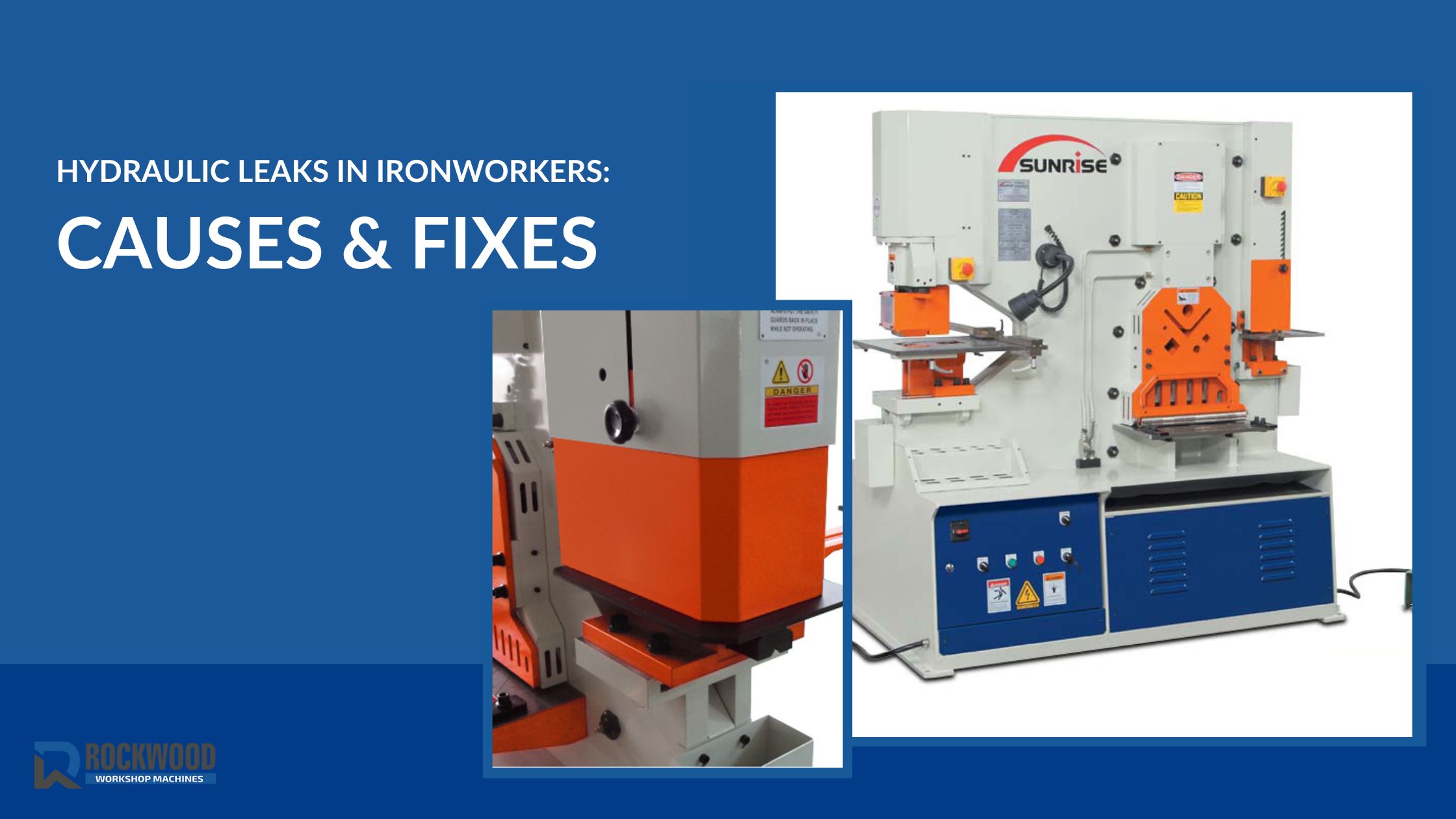
Hydraulic ironworkers are some of the hardest-working machines in any fabrication workshop. They handle heavy-duty punching, shearing, bending, and notching tasks every single day. Whether you’re using a hydraulic ironworker in a busy industrial setup or a mid-size workshop, keeping it in good health is essential. A widely experienced problem among owners is hydraulic fluid leakage. It may seem like a small problem initially, but if neglected, it can result in major failures, safety hazards, and costly fixes.
Let’s take a closer look at why hydraulic leaks happen in ironworker machines, what they mean for your equipment, and most importantly—how to fix and prevent them.
1. Worn or Damaged Seals
Seals are essential components in hydraulic systems. They preserve pressure, stop oil leakage, and ensure reliable performance. But over time, heat, friction, continuous motion, ageing, and contaminated oil cause them to wear down. Once they lose strength, leaks begin to form around cylinders, valves, and pumps.
How to Fix It:
Routine inspection is vital. Examine seals regularly and replace any that display cracking, stiffness, or degradation. Use only high-grade seals specifically designed for your machine to ensure correct fitment and optimal operation.
2. Cracked or Loose Hydraulic Hoses
Hydraulic hoses work under very high pressure. Continuous operation, bending, vibration, and age can cause them to crack, blister, or loosen at connection points. Even a small weakness can quickly turn into a noticeable oil leak.
How to Fix It:
Regularly examine hoses for cracks, leakage, or traces of oil. Secure any loose fittings and promptly replace any hose showing damage. Confirm that all replacements meet the machine’s designated pressure specifications.
3. Poorly Installed or Incorrect Fittings
At times, the machine isn’t at fault—the fittings are. Incorrect installation, poor alignment, cross-threaded connections, or low-grade fittings can easily cause leakage problems.
How to Fix It:
Check that all fittings are correctly aligned and tightened to proper torque settings. Avoid over tightening because that can damage threads. Stick to quality fittings designed for industrial applications.
Hydraulic systems are engineered for a defined pressure rating. If that pressure is exceeded, components such as hoses, seals, and fittings are overstressed, which can result in leaks or sudden breakdowns.
4. Excess System Pressure
Hydraulic systems are designed to handle a specific pressure level. When the pressure exceeds that limit, hoses, seals, and connections are pushed beyond their capacity, eventually causing leaks or sudden failures.
How to Fix It:
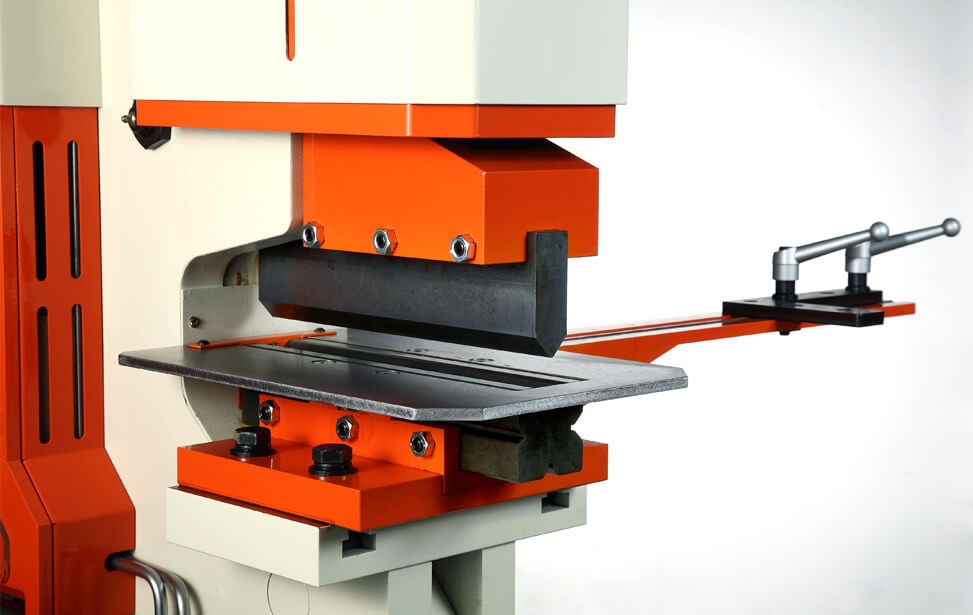
Regularly monitor and regulate operating pressure. Check that the pressure relief valve is performing properly and the machine isn’t consistently overloaded.
5. Contaminated Hydraulic Oil
Dirty hydraulic fluid is a silent enemy. Dust, moisture, metal particles, and sludge inside the oil can damage internal parts and seals, increase wear, and eventually lead to leakage.
How to Fix It:
Use only clean, manufacturer-approved hydraulic oil. Change oil at recommended intervals and replace filters regularly. Keeping the work environment clean also helps reduce contamination.
6. Lack of Proper Maintenance
Even the best industrial machinery needs regular care. Ignoring inspections, skipping servicing, or delaying repairs creates perfect conditions for leaks to develop.
How to Fix It:
Create a maintenance routine and stick to it. Check your ironworker before and after use. Even if you notice a very small oil leak, treat it as a warning sign and act early.
7. Worn or Damaged Hydraulic Cylinders
With continued use, hydraulic cylinders may develop internal wear, scoring, dents, or seal failures. Sometimes leaks are noticeable, but frequently the result is a loss of pressure with no clear external indication.
How to Fix It:
Inspect cylinders regularly. If there’s performance loss, strange noises, or oil traces around the cylinder, professional repair or rebuilding may be needed.
Prevention Is Better Than Repair
With the right care, an ironworker can cut costs, maximize performance, and ensure a safer workspace. Here are a few practical preventive tips to help you achieve that:
- Follow the manufacturer’s service schedule
- Check oil levels and quality regularly
- Train operators to detect early warning signs
- Use genuine parts
- Keep the machine clean and protected
Whether you’re working with ironworker machines in small workshops or heavy-duty industrial environments, good care ensures reliable performance.
Choose the Right Partner for Stronger Machine Performance
If you’re looking for reliable industrial machines in the UAE, along with expert advice and long-term technical support, choosing the right supplier makes all the difference. Rockwood Workshop Machines proudly supplies durable, high-performance industrial equipment across the UAE, ensuring workshops get dependable machinery supported by professional guidance, readily available spare parts, and strong after-sales service. With Rockwood as your partner, you can keep your hydraulic systems operating smoothly, efficiently, and with minimal downtime.
Hydraulic leaks don’t have to slow your work down. With timely maintenance, quality components, and the right technical support, your hydraulic ironworker can continue delivering power, precision, and productivity for years.
To read more, click here: Common CNC Roller Levelling Problems and How to Fix Them