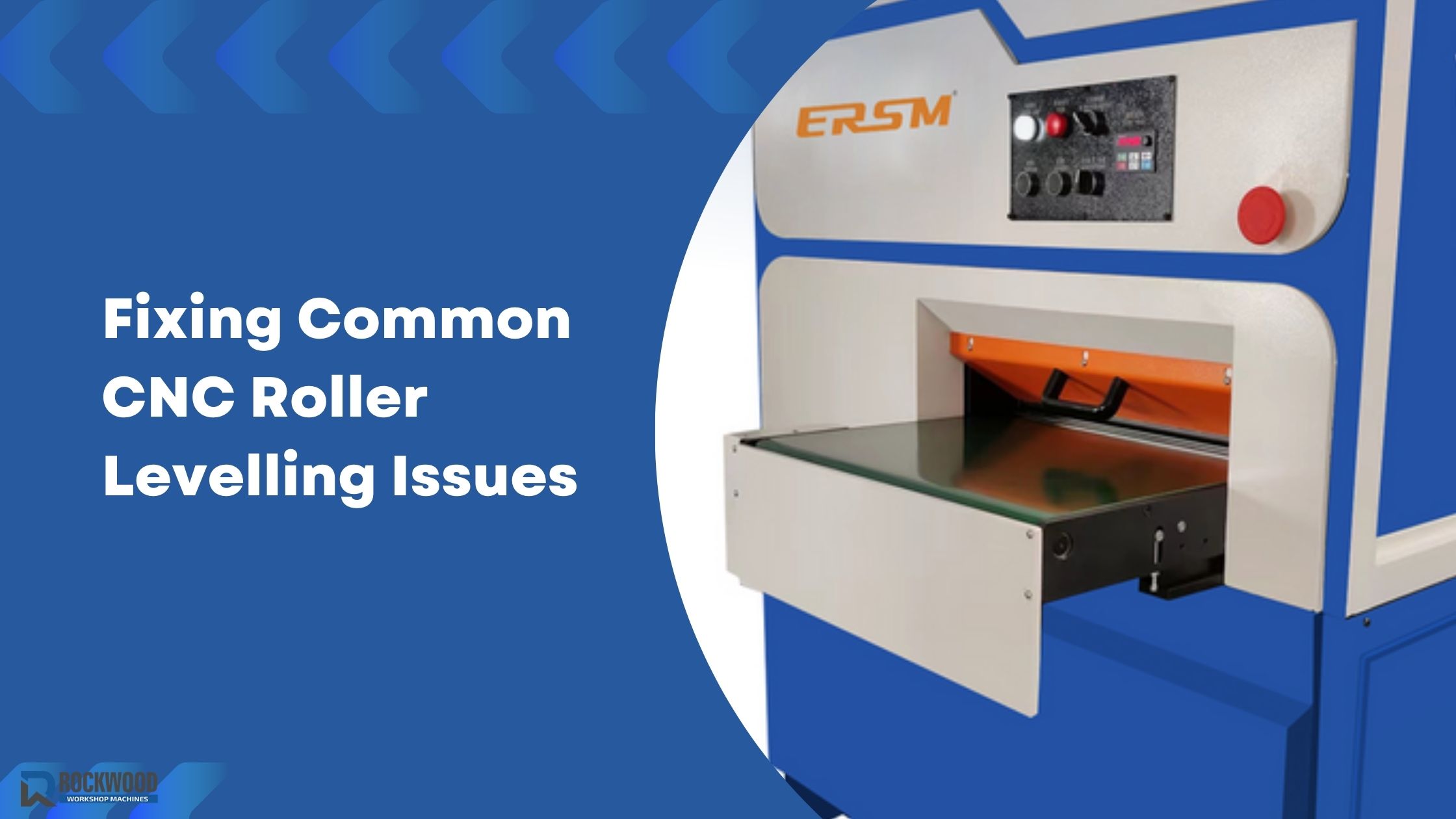
Common CNC Roller Levelling Problems and How to Fix Them
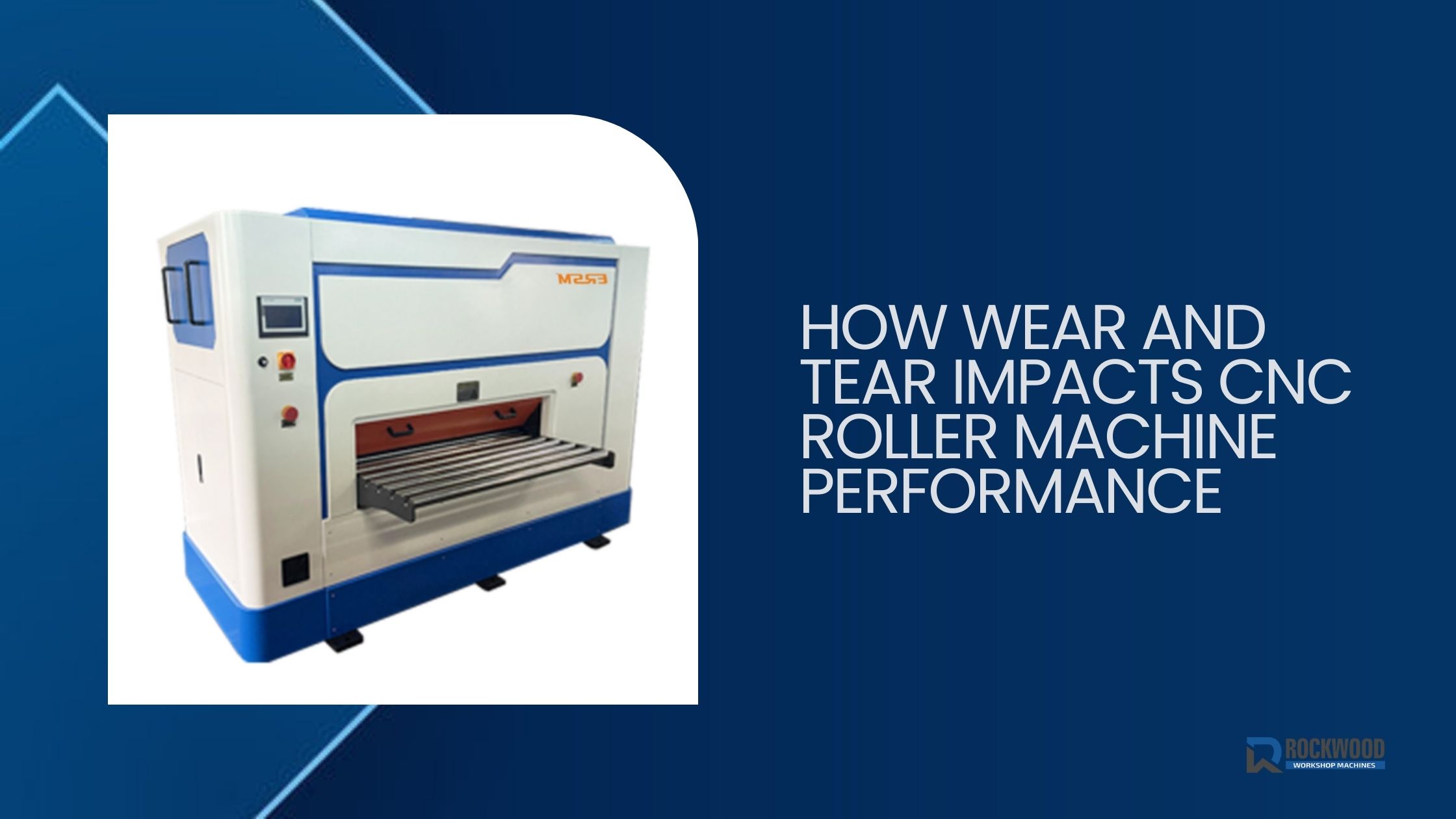
CNC roller levelling is an essential process in modern fabrication, ensuring sheet metal and plate materials come out flat, stable, and ready for precise production. Even with advanced technology, problems can still happen if the setup is poor, inconsistent materials, or if maintenance is neglected. Understanding common problems and knowing how to resolve them can significantly improve production quality, reduce downtime, and extend machine life. This is especially important for industries relying on CNC roller machines in the UAE and other competitive industrial regions.
1. Uneven or Inconsistent Levelling
One of the most frequent issues occurs when the sheet still shows waves, buckles, or uneven flatness after levelling. This usually happens when rollers are misaligned or material thickness changes without the necessary adjustments.
How to Fix:
- Recalibrate roller gap and pressure according to material thickness
- Check entry and exit alignment
- Avoid processing mixed-thickness sheets without resetting parameters
- Keep rollers clean and free of dirt or oxidation
Even minor misalignment can drastically affect levelling consistency.
2. Scratches or Surface Damage
If materials come out scratched, dented, or marked, the problem is often related to dirty or damaged rollers. For industries that demand visually flawless finishes, this can be costly.
How to Fix:
- Clean rollers regularly to remove oil, dust, and metal fragments
- Inspect rollers for micro-cracks or wear and replace if needed
- Maintain a clean working environment
- Consider protective films for highly sensitive materials
Many professionals also depend on well-maintained CNC roller levelling machines, with assistance from service partners for roller refurbishment whenever needed.
3. Material Returning to Its Original Shape
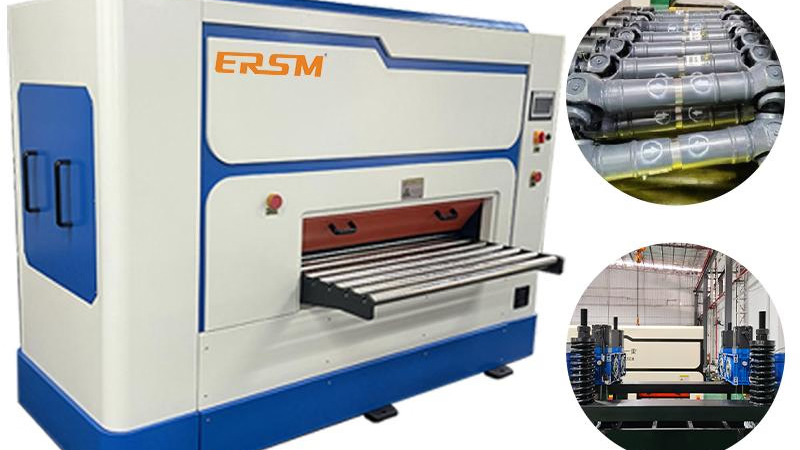
In some cases, sheets look completely flat right after processing but slowly return to their original warped shape over time. This usually indicates that leftover internal stress was not fully released during the levelling process.
How to Fix:
- Increase the roller penetration depth to achieve deeper stress relief
- Reduce processing speed to allow more thorough stress distribution
- Review and adjust machine settings according to specific material characteristics
- Apply multiple passes when working with thicker sheet materials
Properly relieving stress is key to keeping materials stable, particularly before they undergo cutting or shaping.
4. Excessive Noise or Machine Vibration
Unusual vibrations or noises serve as clear warning signals that should never be overlooked. These symptoms may indicate roller imbalance, alignment issues, or worn components. Ignoring these signs can lead to expensive equipment failures.
How to Fix:
- Halt machine operation immediately upon detecting unusual sounds or vibration
- Inspect bearings, lubrication systems, and roller balance carefully
- Secure any loosened fasteners or components
- Contact professional technicians if problems persist after initial checks
Many fabrication facilities maintain partnerships with established workshop machinery dealers in the UAE to guarantee access to expert diagnostic services and authentic replacement parts.
5. Misaligned Material Feeding
Incorrect feeding of sheets can result in uneven results, damaged edges, and lower leveling quality.
How to Fix:
- Provide comprehensive training for operators on proper material handling and feeding techniques
- Utilize automatic guidance systems where available
- Perform regular inspections and adjustments of alignment guides
- Exercise patience during the feeding process, particularly with heavier gauge materials
Proper operator training goes a long way in cutting down feeding mistakes and keeping production running smoothly.
6. Gradual Decline in Machine Performance
With extended use, CNC roller levelling machines may experience a progressive loss of precision stemming from accumulated dirt, component wear, or inadequate maintenance practices. When output quality becomes inconsistent, the root cause typically relates to maintenance requirements rather than fundamental mechanical failure.
How to Fix:
- Implement and follow a comprehensive preventive maintenance schedule
- Replace wearing components before they reach critical failure points
- Maintain proper calibration of electrical systems and control mechanisms
- Establish working relationships with experienced machinery specialists
Fabrication workshops trust Rockwood Workshop Machines, a reliable workshop equipment supplier in UAE, for sturdy machinery, technical expertise, and dependable services that keep machines running efficiently and productivity high.
Final Thoughts
CNC roller levelling is a crucial process for producing flat, stress-free sheet metal that meets high-quality standards. While operational challenges can arise, most are preventable with proper machine setup, regular calibration, skilled operator training, and proactive maintenance. Investing in reliable machinery and working with trusted workshop equipment suppliers provides a strong foundation for consistent performance and improved production efficiency.
By spotting early warning signs, maintaining equipment responsibly, and addressing issues proactively, fabrication facilities can achieve consistent levelling results, minimize material waste, and raise overall manufacturing performance.
To read more blogs, click here: Thread Cutting on Lathes: Techniques for Manufacturers