Hydraulic Punching vs. Laser Cutting: Which Is More Cost-Effective for Fabricators?
In today’s sheet metal industry, selecting the right cutting method plays a big role in improving productivity, accuracy, and overall profit. Among the most frequently used methods are laser cutting and hydraulic punching. Both have their own advantages, and the right choice mainly depends on things like how much you need to produce, the type of material you’re working with, and your budget.
For businesses exploring options like hydraulic punching machines in the UAE, it’s important to understand how these technologies perform in real workshop conditions before making a cost-effective decision.
Understanding Hydraulic Punching
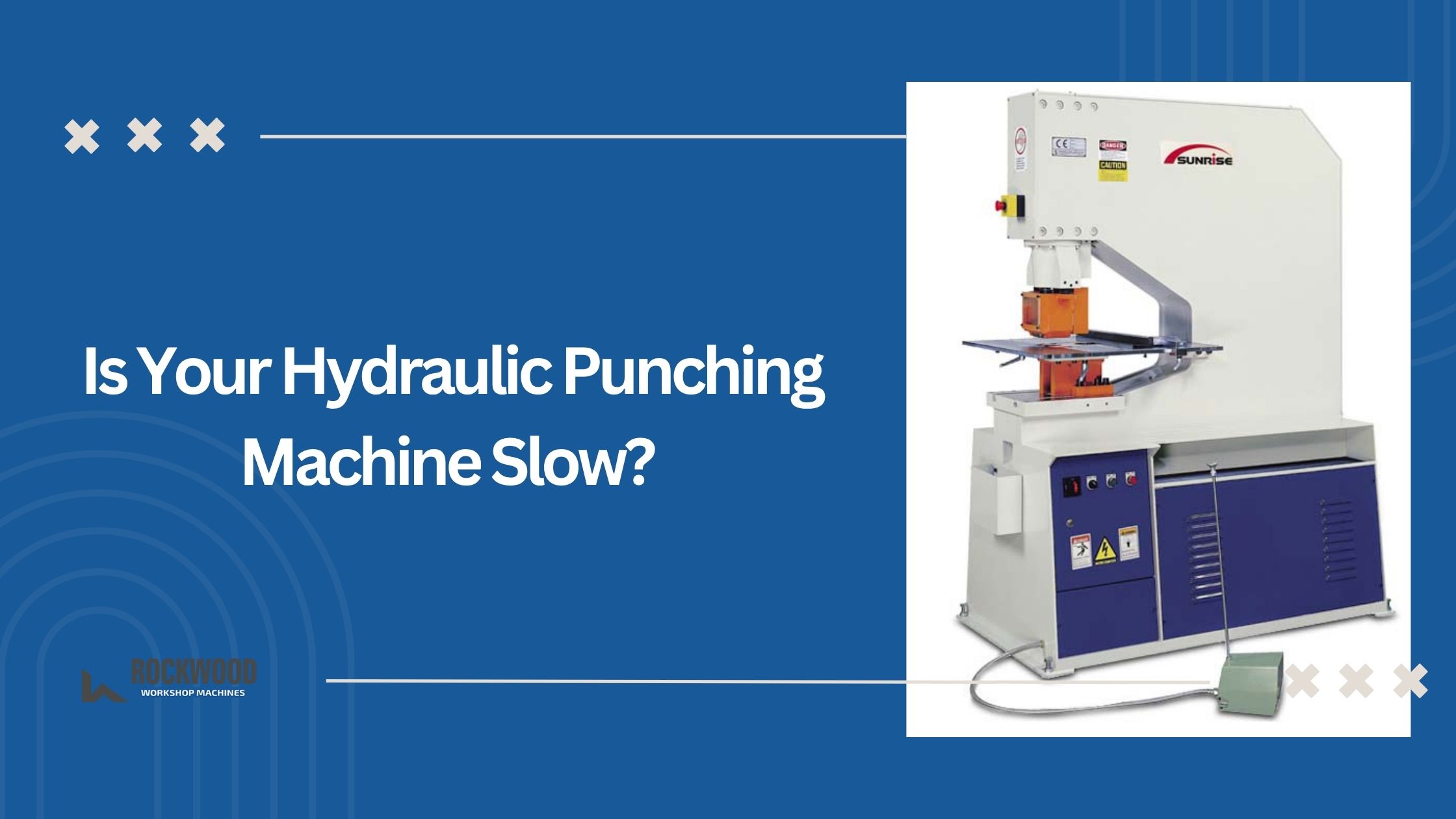
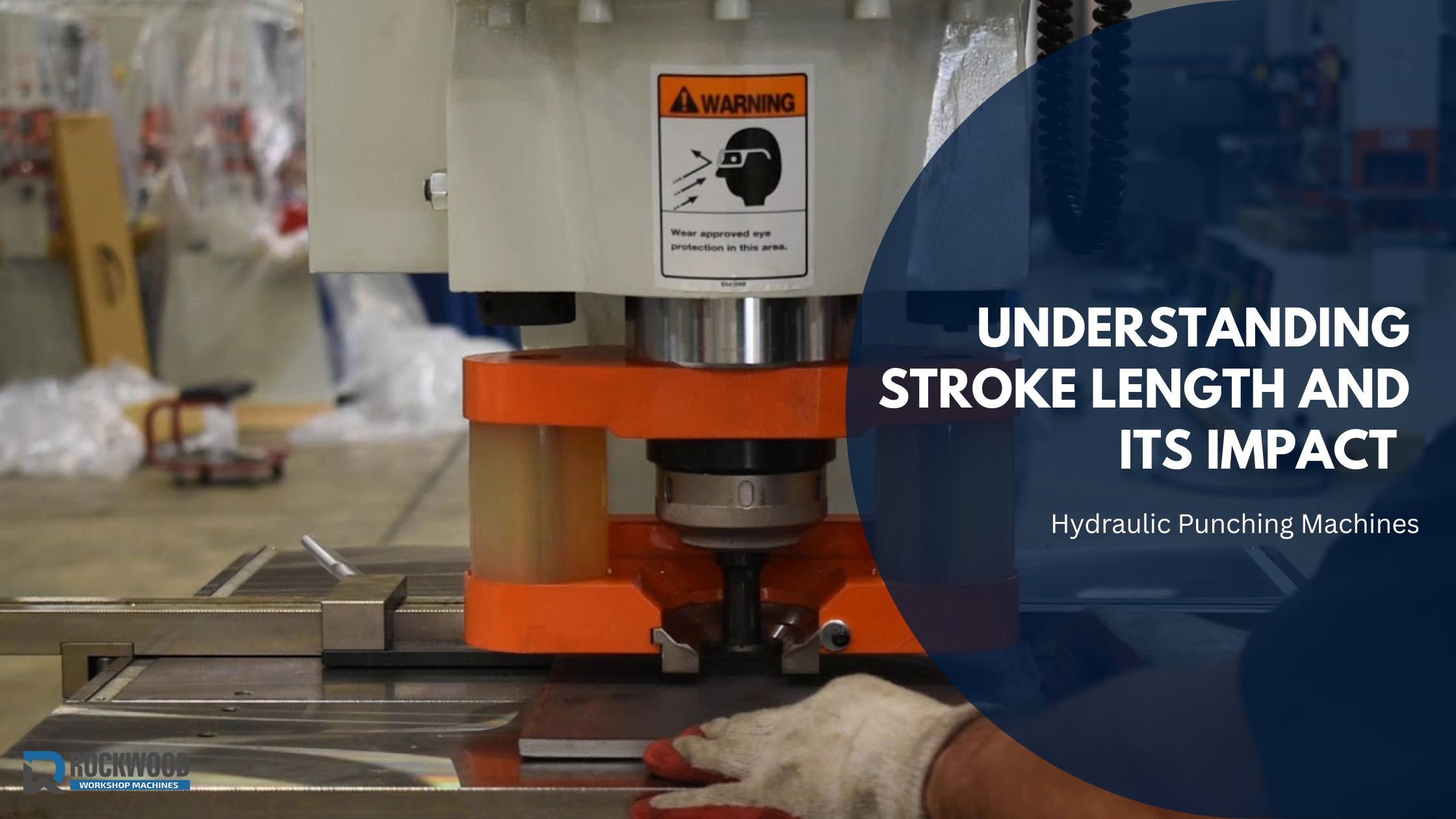
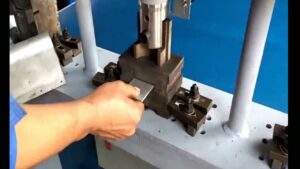
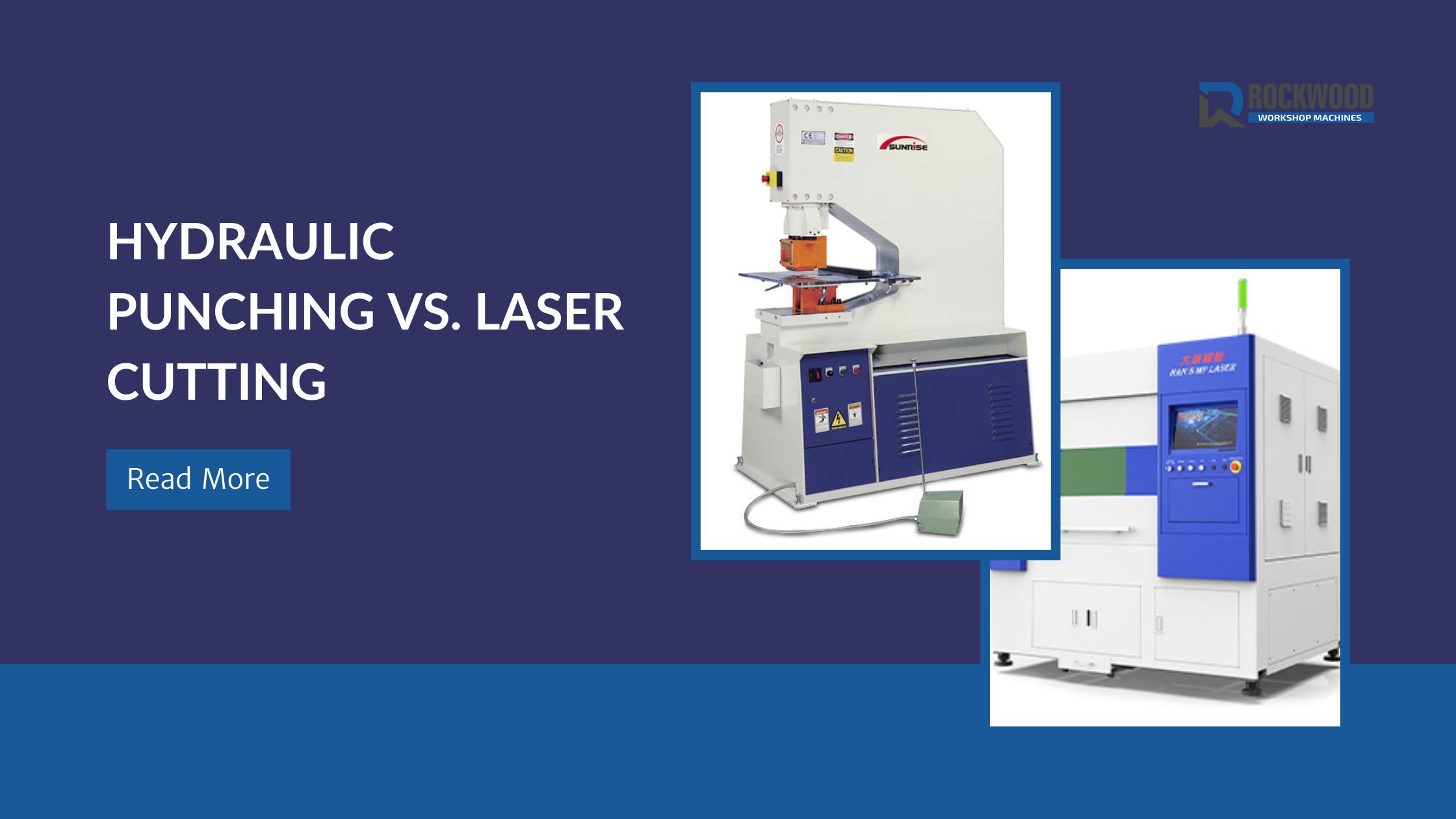
Hydraulic punching is a method that uses a punch and die, driven by hydraulic power, to make holes or shapes in sheet metal. It is mainly used for repetitive jobs like holes, slots, and basic cut designs.
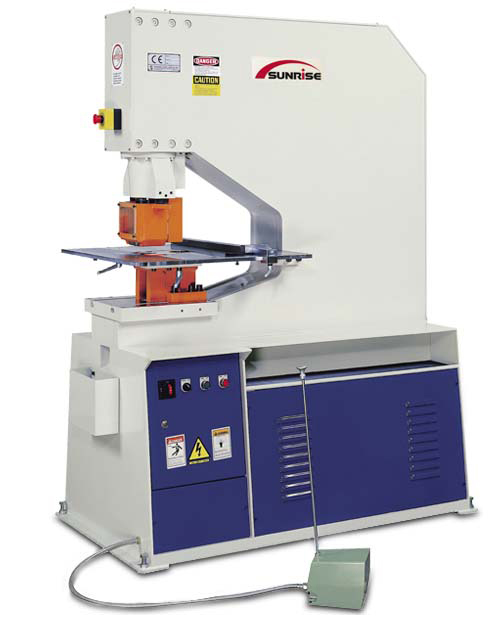
A major advantage of hydraulic punching is speed. After the setup is done, the machine can produce the same shapes quickly with very little delay. This makes it perfect for high-volume production where consistency is important.
Another benefit is the lower cost per piece. Since it uses mechanical force instead of advanced light technology, it usually consumes less energy. Although tooling costs money, it becomes cost-effective over time when producing large quantities.
Understanding Laser Cutting
In laser cutting, a high-intensity light beam is used to cut materials precisely. It melts or burns the surface, giving smooth and neat edges.
It is known for its flexibility. You can use one machine for many designs by simply updating the file, with no need for tools. This makes it great for custom jobs and smaller batches.
The initial cost of laser machines is generally higher. In addition, they need more upkeep, use more energy, and require extra spending on gases and lenses.
Cost Comparison: Hydraulic Punching vs Laser Cutting
To know which option is more cost-effective, you need to consider the total cost, not just the buying price.
Hydraulic punching usually offers:
- Lower cost per piece for large production
- Tooling costs when designs change
- Faster output for repeated jobs
- Moderate energy usage
Laser cutting generally provides:
- High flexibility without tooling
- Higher running and maintenance costs
- Less advantage in large repetitive jobs
- Better precision and cleaner finish
For businesses producing standard items like panels or enclosures, hydraulic punching is often more economical. On the other hand, for custom designs or creative metal work, laser cutting can save time and effort.
Production Efficiency and Flexibility
Efficiency is not just about speed—it also includes how easily you can adapt to different jobs. Hydraulic punching works best when the production is consistent and repetitive. Once everything is set, it runs smoothly for long periods.
Laser cutting is more flexible. It allows quick changes between different designs, which is useful for workshops handling a variety of customer needs. This reduces the time spent on setup changes.
Maintenance and Operational Considerations
Maintenance is an important factor in long-term costs. Hydraulic punching machines need regular servicing, lubrication, and tool checks. They are generally strong and built for heavy use.
Laser machines require more careful maintenance, including cleaning lenses, checking alignment, and managing gas systems. Skilled operators are also needed to keep the machine running properly.
For those buying equipment through Workshop machinery dealers in UAE, good after-sales service and spare part availability are very important. Reliable support can reduce downtime and keep operations smooth.
Material Versatility and Application Range
Hydraulic punching works well with common materials like steel, stainless steel, and aluminum, especially for standard thicknesses. It is widely used in mass production.
Laser cutting is suitable for handling diverse materials and varying thicknesses. It is especially useful for detailed and complex designs, making it popular in industries like design, automotive, and architecture.
The choice depends on whether quantity or design complexity is more important.
Energy Efficiency and Sustainability
Energy use is becoming an important factor in manufacturing. Hydraulic punching usually uses less energy during continuous production.
Laser cutting machines consume more power and require gases, but they reduce material waste due to their accuracy. This can help balance overall efficiency.
Businesses looking to improve sustainability should consider both energy use and material savings.
Making the Right Investment Decision
Choosing between hydraulic punching and laser cutting depends on your business needs.
Hydraulic punching is suitable for:
- Large-scale production
- Standard parts
- Cost-focused operations
Laser cutting is better for:
- Custom and detailed designs
- Smaller production runs
- Quick design changes
Some workshops use both methods to get the benefits of each.
Conclusion
Both hydraulic punching and laser cutting are important in modern fabrication. The most cost-efficient solution depends on operational needs, design considerations, and long-term plans.
Before investing, businesses should carefully review their workflow and needs. Working with trusted workshop machinery dealers in the UAE can assist in choosing the right equipment.
In the end, the goal is to achieve high productivity, lower costs, and consistent quality—no matter which technology is chosen.
To read more blogs, click here: Ram-Type vs. Turret-Type Vertical Lathes: Understanding the Difference