How Carbide Application Improves Surface Hardness
In industries where metal parts are exposed to constant wear, friction and heavy impact, it is a real challenge to keep equipment in good condition. Industries involved in construction, energy, mining, and heavy industrial production use advanced hardening solutions to extend machinery life and minimize maintenance costs. . For this type of application, tungsten carbide is considered one of the most reliable materials because of its toughness and durability.
Carbide coatings are well regarded for their toughness, wear resistance, and ability to protect metal surfaces working under demanding conditions. As the need for longer-lasting industrial equipment grows, many fabrication companies are investing in quality carbide application equipment in UAE workshops and production facilities to improve output standards and operational efficiency.
What Is Carbide Application?
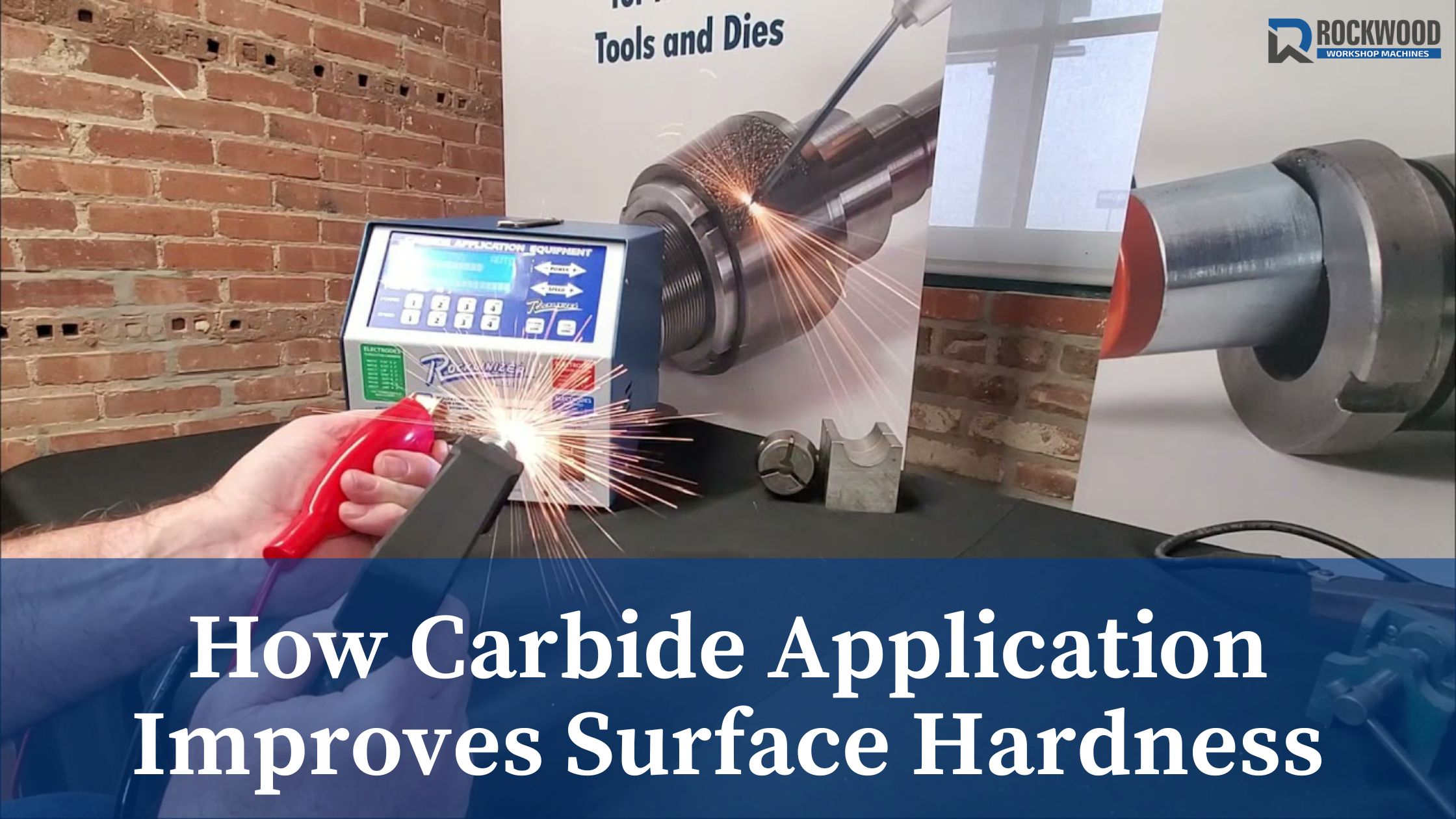
Carbide application is simply the application of a layer of carbide onto a metal surface to make it harder and more resistant to damage. Tungsten carbide is among the most widely used materials for this application because of its exceptional strength and toughness.
The coating can be deposited by several methods: thermal spraying, weld overlaying, laser cladding, high velocity oxygen fuel (HVOF) coating, and plasma transferred arc welding. All methods form a hard protective layer that sticks well to the base metal and helps it to withstand abrasion, rust, and high heat well.
Why Surface Hardness Matters
The hardness of a metal surface directly affects how long a component lasts and how reliably it performs. Softer materials wear down quickly under repeated friction or impact, leading to:
- More frequent machine breakdowns
- Higher repair and maintenance bills
- Lower overall productivity
- Greater spending on replacement parts
Making a surface harder means equipment lasts longer and performs consistently. Carbide-coated surfaces are especially valuable in heavy-duty environments where metal parts come into contact with rough materials like sand, stone, chemicals, or metal debris.
How Carbide Improves Surface Hardness
Strong Resistance to Wear
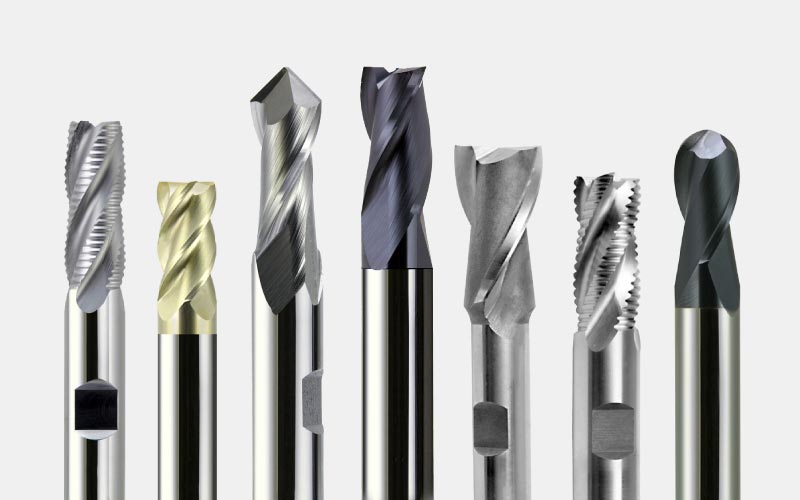
Carbide materials are much harder than regular steel. When used correctly they form a tough outer coating which will stand up to friction and physical damage. This is particularly relevant for industries using cutting tools, crushing machines, conveyor systems or drilling equipment. The hardened layer helps prevent early wear and lowers the need for regular repairs. Modern carbide application equipment helps apply coatings evenly with stronger adhesion, resulting in components that last considerably longer.
Handles High Temperatures Well
Many industrial machines run hot for long periods, which slowly weakens metal surfaces. Carbide coatings retain their hardness even at very high temperatures, so the treated parts can be used in applications with constant friction, heavy machining and intensive material processing. Moreover, heat-resistant coatings help parts hold their original shape, thereby diminishing the likelihood of warping during use.
Protection Against Rust and Chemical Damage
Some carbide coatings are resistant to rust and chemical exposure. This is of particular use in the fields of marine engineering, petrochemical processing and offshore operations. A good coating slows down oxidation and helps to protect the base metal from damage from the environment, helping companies to save a lot on long-term maintenance costs.
Better Ability to Handle Impact
Some industrial jobs involve repeated impact and pressure on metal parts. Carbide layers help spread stress more evenly across the surface, reducing cracking and material fatigue. This balance of hardness and toughness is one of the key reasons carbide coatings are so widely used across heavy industry and large-scale fabrication.
Why the Right Equipment Makes a Difference
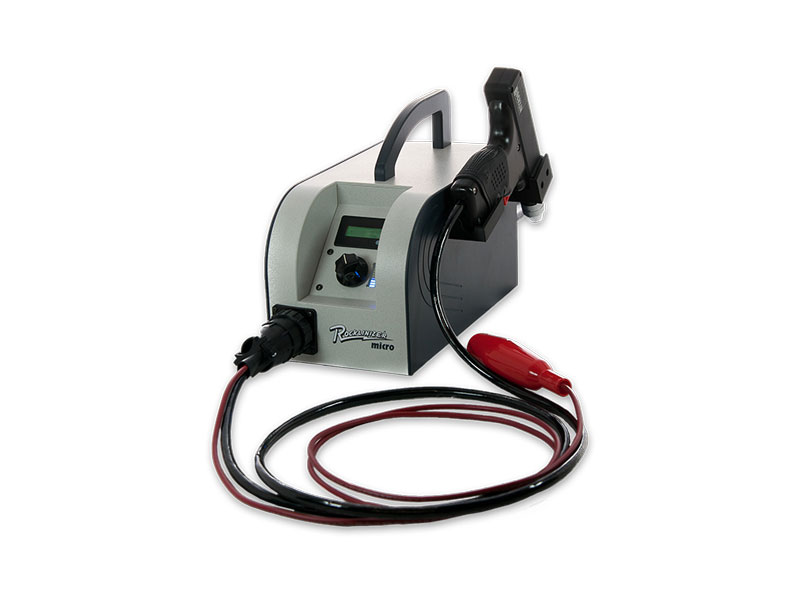
The quality of a carbide coating depends not just on the material but also on how carefully the process is carried out. Good machinery ensures the coating bonds properly, maintains consistent thickness, and delivers reliable results every time.
Many manufacturers today use automated spraying and welding systems to achieve better outcomes. Companies looking for dependable carbide application equipment in UAE industrial markets typically prioritize machines offering precise temperature control, high coating efficiency, reduced material waste, and better operator safety.
Where Carbide Coatings Are Commonly Used
Carbide coating is applied across many industries, including cutting and drilling tools, mining equipment, hydraulic shafts, industrial rollers, pump parts, turbine components, and construction machinery. In many workshops, carbide coating has become a preferred method for restoring worn-out parts rather than replacing them entirely, saving both time and money.
Choosing the Right Machinery Supplier
Selecting a good supplier is as important as selecting the right coating material. Experienced workshop machinery dealers in the UAE can provide guidance on machine selection, maintenance support and operator training to businesses. Some of the important things to consider are equipment quality, technical support, spare parts availability, energy efficiency and after-sales service.
Final Thoughts
Carbide application is one of the most effective ways to extend the working life of industrial components. Carbide coatings enhance resistance to damage caused by friction, heat, and corrosion, helping industries lower downtime and maintain productivity. With upgraded carbide application systems, manufacturers can achieve reliable and durable surface treatments.
To read more, click here: Automation Add-ons for Ironworker Machines in UAE to Improve Workshop Efficiency