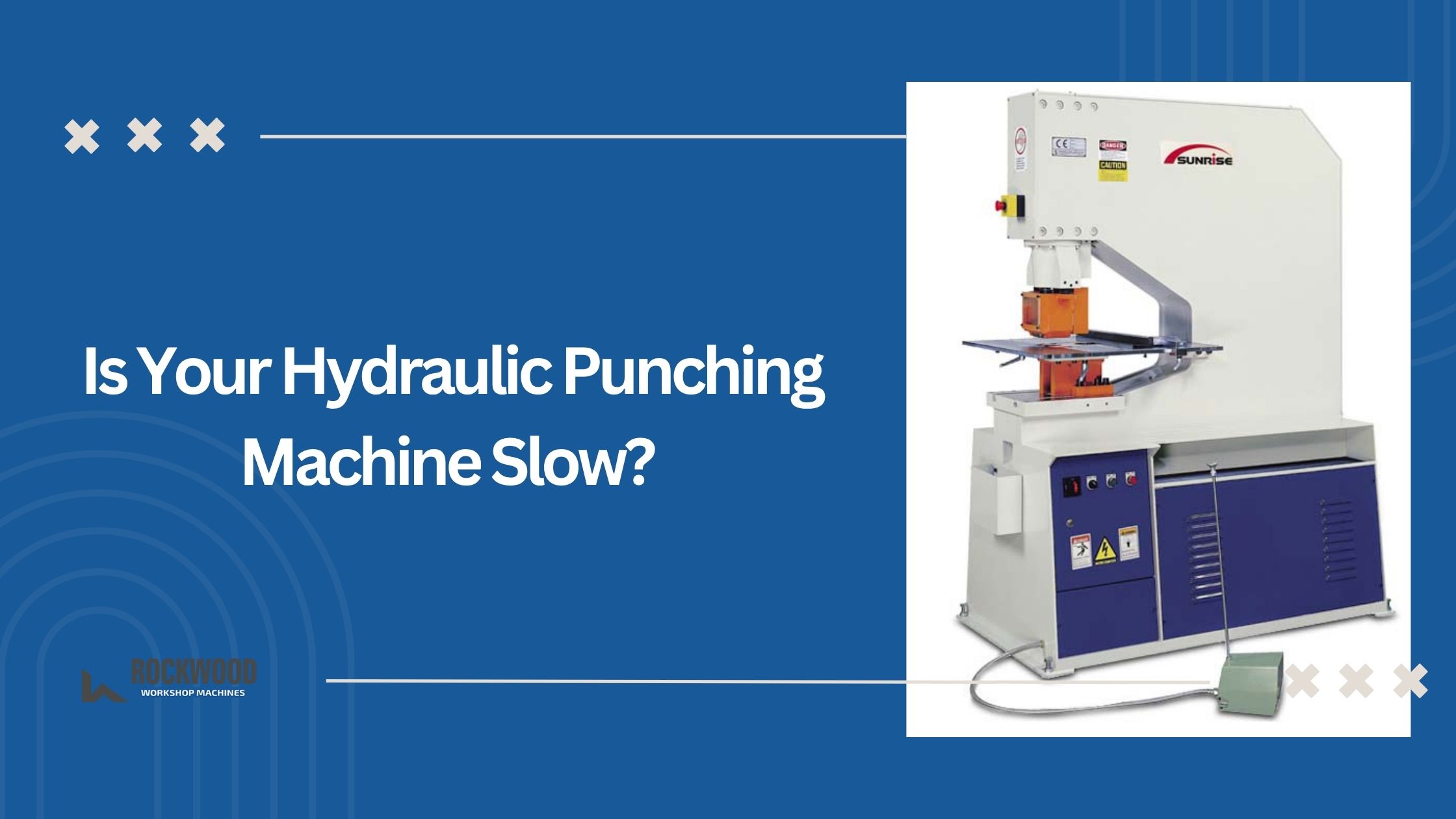
Is Your Hydraulic Punching Machine Slow? 6 Reasons Why and What to Do
Hydraulic punching machines play an important role in metal fabrication, structural steel work, and industrial manufacturing. When running properly, they produce accurate holes, reliable results, and high productivity. However, when a machine starts to slow down, even a small reduction in performance can delay production, increase operating costs, and reduce overall output.
Many workshop managers interpret a slowdown as a sign of serious mechanical failure. In most cases, the cause is far more manageable, stemming from inadequate maintenance, component wear, or operating conditions outside the machine’s recommended parameters. Identifying these issues early reduces downtime, lowers maintenance expenses, and helps keep the equipment operating efficiently for longer.
Consulting a reliable workshop equipment supplier in the UAE at the first sign of performance decline can help diagnose issues accurately and prevent unnecessary repair costs.
Here are six common reasons your hydraulic punching machine may be underperforming, along with what you can do to address each.
1. Low or Poor Hydraulic Oil Condition
Over time, hydraulic oil can collect dirt, metal fragments, moisture, and other impurities. As oil quality decreases, the system must work harder to maintain the correct pressure, leading to slower operating cycles and uneven performance. Low oil levels further affect the system’s ability to run smoothly and reliably.
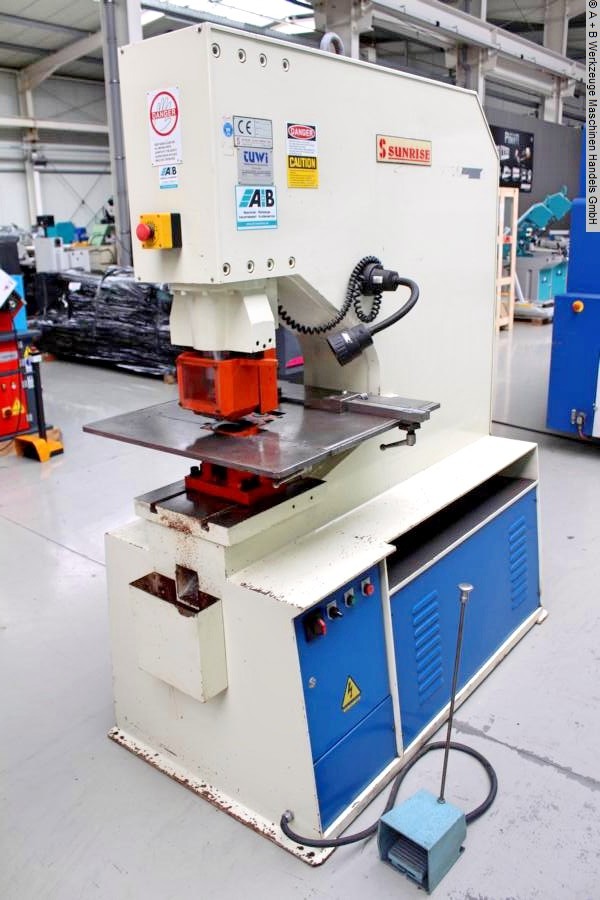
What to Do: Regularly monitor hydraulic oil levels and refill when required. Replace degraded oil as recommended by the manufacturer, inspect filters on a routine schedule, and ensure the correct oil grade is used for optimal machine performance.
2. A Deteriorating Hydraulic Pump
The hydraulic pump generates the pressure that powers every punching cycle. As internal components wear over time, pressure output decreases and cycle times increase. A worn pump may continue to operate but will have difficulty maintaining consistent performance during demanding production conditions.
What to Do: Monitor system pressure and compare it against the manufacturer’s recommended levels. Pay attention to irregular sounds such as whining or grinding, and schedule professional inspections if performance falls below normal levels. Replace pumps that have deteriorated beyond safe operating limits before they cause further damage to the machine.
3. Clogged Filters and Restricted Fluid Flow
Blocked hydraulic filters restrict fluid flow and force the system to work harder during operation. This leads to slower cycle times, reduced efficiency, and added strain on surrounding components. Because the problem develops gradually, it is often not identified until the machine begins showing clear signs of reduced performance.
What to Do: Inspect filters at regular intervals, follow the manufacturer’s replacement schedule, examine hoses and fluid pathways for signs of restriction, and maintain a clean working environment to minimize contamination.
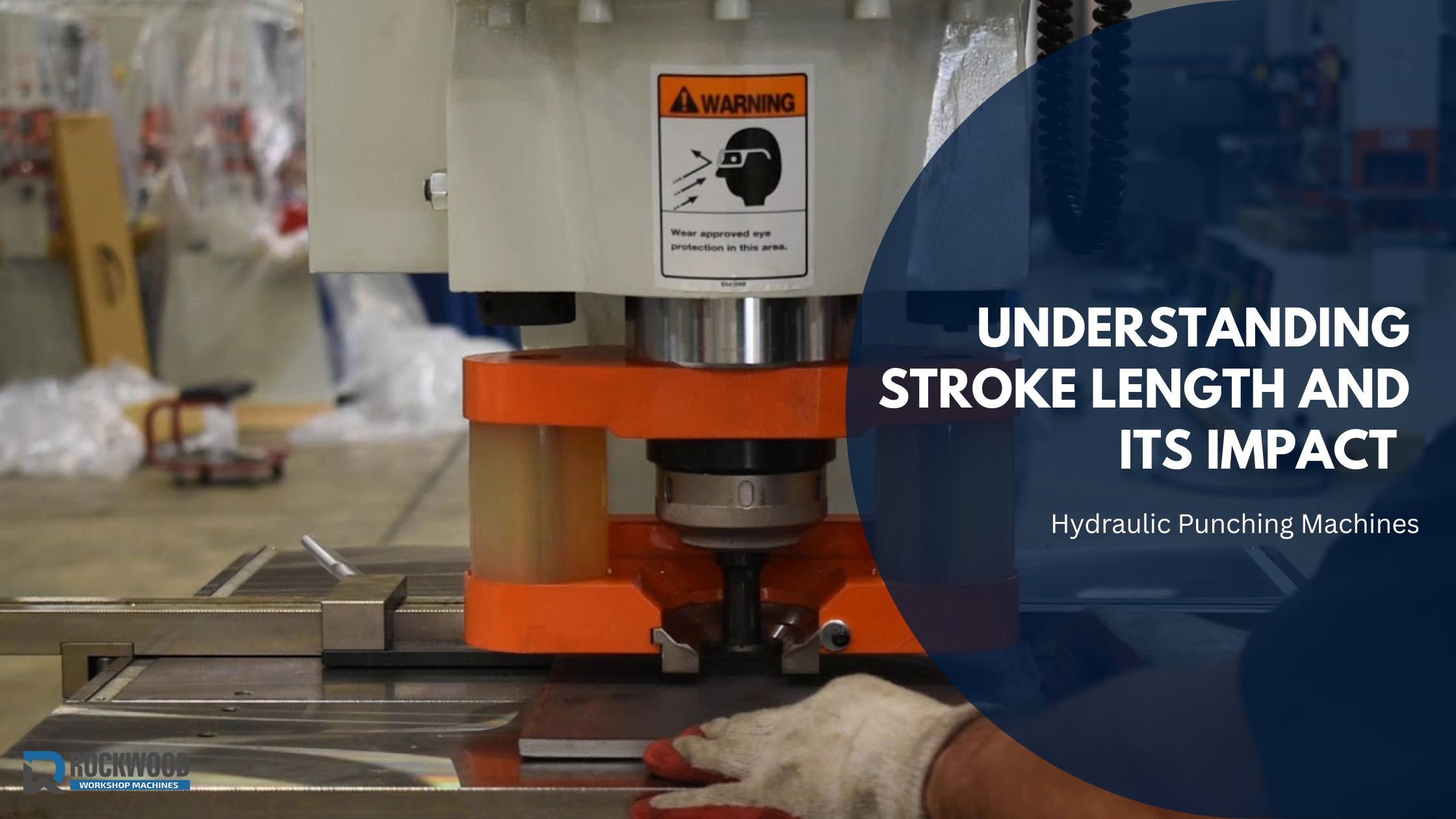
4. Worn Punching Tools and Dies
Performance problems are not always caused by the hydraulic system. Worn punches and dies create greater resistance during each cycle, forcing the machine to work harder to complete each operation. This reduces production speed and places additional stress on the hydraulic system. Worn tooling can also reduce output quality, resulting in rough edges, misaligned holes, and increased material waste.
What to Do: Inspect tooling regularly for wear or deformation, sharpen components where possible, replace those beyond reconditioning, and select tooling appropriate for the material thickness being processed.
5. Incorrect Pressure Settings
Operating outside the recommended pressure range affects both performance and component longevity. Pressure set too low results in extended cycle times, while excessive pressure accelerates wear on seals, hoses, and internal components, increasing the likelihood of premature failure.
What to Do: Consult manufacturer documentation for correct pressure settings, train operators on proper machine setup, verify settings during routine inspections, and engage a qualified technician when significant adjustments are required.
6. Insufficient Preventive Maintenance
A lack of proper maintenance is one of the primary reasons machines begin to lose performance over time. Loose connections, worn seals, aging hoses, and inadequately lubricated components may not appear serious initially, but they gradually reduce efficiency. If these issues are not resolved in time, they can cause unexpected machine stoppages and disrupt production.
What to Do: Establish a formal maintenance schedule, inspect hydraulic and mechanical components routinely, maintain accurate service records, and resolve identified issues promptly before they develop into more serious and costly failures.
Choosing the Right Equipment and Support
Investing in the right machinery is just the beginning of maintaining efficient operations. Working with an established workshop equipment supplier in UAE ensures your operation has access to quality equipment, genuine spare parts, and professional technical support when it is needed most. The right supplier will also offer practical maintenance guidance that helps businesses maintain consistent performance and avoid preventable breakdowns.
Whether you are equipping a new facility or upgrading existing machinery, partnering with a trusted workshop equipment supplier in UAE gives your team the resources and expertise to keep equipment running at the level your production demands.
Final Thoughts
A hydraulic punching machine operating below normal speed does not necessarily indicate a severe mechanical failure. In most cases, the cause relates to fluid condition, pump performance, filter blockage, tooling wear, pressure calibration, or insufficient maintenance, all of which are identifiable and resolvable with the right approach.
Regular inspections, properly trained operators, and timely servicing are key to maintaining consistent output and long-term equipment reliability. Organizations that invest in quality machinery and maintain it in accordance with manufacturer recommendations will consistently achieve stronger productivity, lower operating costs, and more reliable performance over time.