How Can You Extend the Service Life of CNC Roller Leveling Machines?
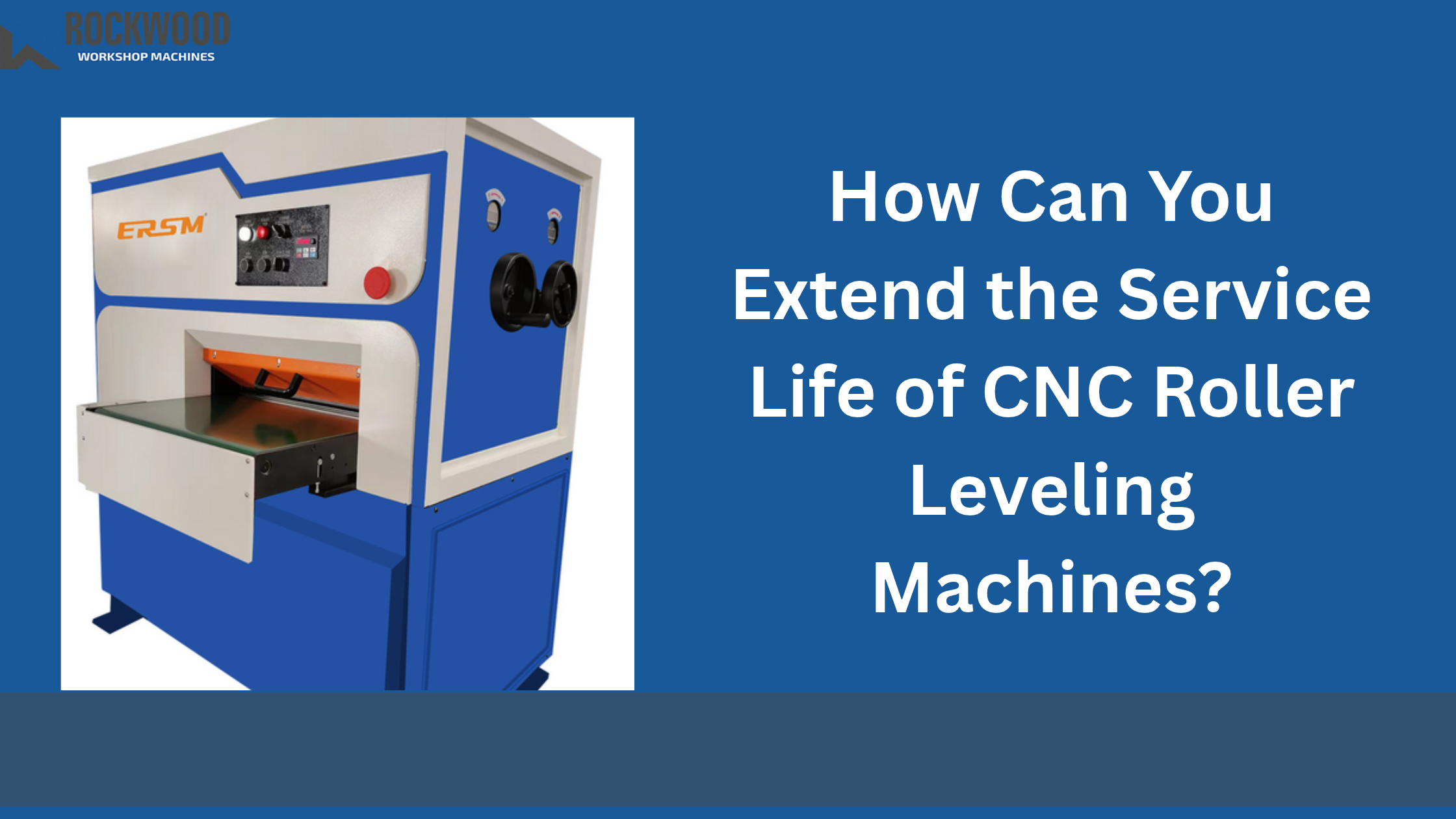
CNC roller leveling machines play an important role in metal fabrication, especially when flat sheets are needed for cutting, bending, and assembly. Poor maintenance can cause roller wear, uneven sheets, unexpected stoppages, and costly repairs.
For businesses using CNC Roller Leveling machines in UAE, regular maintenance helps protect equipment performance and keep production schedules on track. Identifying the parts that require attention can significantly extend the machine’s lifespan.
1. Keep the Rollers Clean After Production
Metal sheets often carry dust, scale, oil, and small particles into the leveling area. These contaminants can accumulate on the rollers, affecting material movement and potentially causing surface marks.
Please clean the rollers according to the manufacturer’s instructions. Use suitable cleaning materials that will not scratch the surfaces or damage protective coatings.
Inspect the rollers for dents, scoring, or unusual wear. Identifying these problems early helps prevent sheet damage and expensive repairs.
2. Follow the Recommended Lubrication Schedule
Bearings, gears, and other moving components need proper lubrication to operate smoothly when there is not enough lubricant, friction and heat increase, which results in faster wear of the components.
Lubrication maintenance tips:
- Check lubricant levels: Ensure the required oil or grease is available at specified lubrication points.
- Use the correct lubricant: Follow the machine manual to select the recommended type and grade.
- Follow service intervals: Lubricate components according to the manufacturer’s maintenance schedule.
- Avoid excess lubrication: Too much grease or oil can attract dust and contaminate nearby surfaces.
- Watch for warning signs: Unusual noises or rising temperatures may indicate lubrication problems or mechanical faults.
3. Feed Materials Within the Machine’s Capacity
Every leveling machine has operating limits. Feeding sheets that exceed the specified thickness, width, or material capacity places additional stress on the rollers and drive system.
Verify material specifications before starting a job, and adjust the machine according to the metal being processed. Avoid forcing a sheet through if it stops moving or enters at an incorrect angle. Stop the machine safely and investigate the cause.
4. Inspect Bearings, Rollers, and Drive Components
Changes in vibration, roller movement, or drive performance may indicate component wear. Regular inspections help identify these issues before they interrupt production.
Check accessible fasteners, bearing housings, and drive components for looseness, visible damage, or overheating. Inspections involving moving parts must be performed with the machine safely stopped and isolated from its power source.
Businesses operating Ironworker machines in UAE can apply similar preventive maintenance practices across their workshops.
5. Maintain Accurate Machine Settings
Incorrect roller settings can produce wavy sheets, unwanted marks, or inconsistent flatness. Repeating the leveling process also increases machine workload.
Follow the manufacturer’s procedures when adjusting roller gaps and pressure. Settings should match the material’s thickness and properties. Avoid random adjustments when results deteriorate.
If problems continue, worn rollers or calibration issues may be responsible. A qualified technician can inspect alignment and recalibrate the equipment when necessary.
6. Protect the CNC Control System
Dust, moisture, unstable power supplies, and poor ventilation can contribute to electrical faults.
Always keep electrical enclosures closed during regular operation and adhere to the manufacturer’s cleaning instructions. Regularly check cooling fans and ventilation openings. Only qualified technicians should handle internal electrical work after ensuring safe power isolation.
Avoid changing control parameters without understanding their purpose. Make sure to back up the approved settings if the system supports this function.
7. Train Operators to Recognise Warning Signs
Improper handling can damage machinery, even if regular maintenance is performed. Operators should understand material limits, loading procedures, and startup checks.
Train staff to recognise unusual vibration, inconsistent sheet flatness, unexpected alarms, and changes in operating noise. A daily checklist helps operators report faults promptly instead of attempting unauthorised repairs.
These practices also benefit businesses using Tapping Machines in UAE, where proper setup and responsible operation help protect equipment.
8. Schedule Preventive Maintenance
Waiting for a breakdown often leads to longer interruptions and higher repair costs. Planned servicing helps identify worn parts and developing faults before they affect production.
Set maintenance intervals according to the manufacturer’s recommendations, operating hours, and workshop conditions. Keep records of inspections, replaced components, and recurring problems to plan future servicing effectively.
Conclusion
Extending the working life of CNC roller leveling equipment depends on consistent care and correct operation. Clean rollers, proper lubrication, accurate settings, and timely inspections help reduce unnecessary wear.
For companies using CNC Roller Leveling machines in UAE, following manufacturer guidelines can preserve leveling accuracy, reduce unexpected downtime, and deliver better long-term value from their machinery.
To read more blogs, click here: Which Fastener Insertion Method Works Best for Different Metal Thicknesses?